



Lead in Drinking Water: Causes, Health Risks, and How to Improve Water Quality at Home
Lead in drinking water has become one of the most important water quality concerns in the United States.
While most municipal systems meet federal safety standards, lead contamination can still occur inside homes due to aging pipes, plumbing materials, and infrastructure.
Understanding how lead enters drinking water — and what you can do about it — is essential for protecting your health and improving your water at home.
What Causes Lead in Drinking Water?
Lead is rarely found in natural water sources like lakes, rivers, or groundwater.
Instead, it typically enters drinking water after it leaves the treatment plant, as it travels through plumbing systems.
Common sources of lead contamination include:
- older lead pipes and service lines
- plumbing solder used before 1986
- brass fixtures and faucets
- corrosion inside pipes
Homes built before 1986 are at higher risk, but even newer homes can contain trace amounts of lead in plumbing materials.
How Lead Gets Into Your Tap Water
Lead enters water through a process called corrosion.
When water sits in pipes — especially overnight or during periods of inactivity — it can absorb small amounts of lead from surrounding materials.
Factors that increase lead leaching include:
- water chemistry changes
- high pressure or turbulence
- aging infrastructure
- lack of protective pipe coatings
This means water that is safe at the treatment plant can still pick up contaminants before reaching your faucet.
Health Risks of Lead in Drinking Water
According to the EPA, lead exposure can affect multiple systems in the body, including:
- brain and nervous system
- kidneys
- red blood cells
Children and pregnant women are especially vulnerable.
Even low levels of lead exposure may contribute to:
- developmental issues
- learning difficulties
- neurological effects
Because of this, there is no safe level of lead exposure — making prevention and reduction critical.
The Benefits of Structured Water
Regulations: The Lead and Copper Rule
To reduce lead contamination, the EPA enforces the Lead and Copper Rule, which requires water utilities to:
- monitor lead levels
- implement corrosion control treatment
- take action if thresholds are exceeded
Corrosion control works by forming a protective layer inside pipes, helping prevent metals from dissolving into the water.
However, this protection can weaken over time, especially in aging systems.
Why Infrastructure Still Matters
One of the biggest long-term solutions is replacing lead service lines — the pipes that connect homes to municipal water systems.
Many cities are working on this, but:
- replacement is expensive
- projects take years or decades
- millions of homes are still affected
This is why household-level water improvement is so important.
How to Reduce Lead in Drinking Water at Home
While infrastructure improvements continue, homeowners can take immediate steps to reduce risk.
1. Flush Your Pipes
Run cold water for 30–60 seconds before drinking or cooking, especially after water has been sitting.
2. Use Cold Water Only
Hot water can dissolve lead more easily than cold water.
3. Install a Water Filtration System
Certified filtration systems designed for lead removal can significantly reduce contamination.
Common options include:
Beyond Filtration: Why Water Structure Also Matters
Removing contaminants is critical — but it’s only one part of water quality.
In nature, water is:
- constantly moving
- oxygenated
- interacting with minerals
- flowing in vortex patterns
This natural movement helps maintain water’s balance, structure, and vitality.
Modern plumbing systems, however, push water through:
- straight pipes
- high pressure
- long distances
This can leave water feeling flat, stressed, or lifeless, even after filtration.
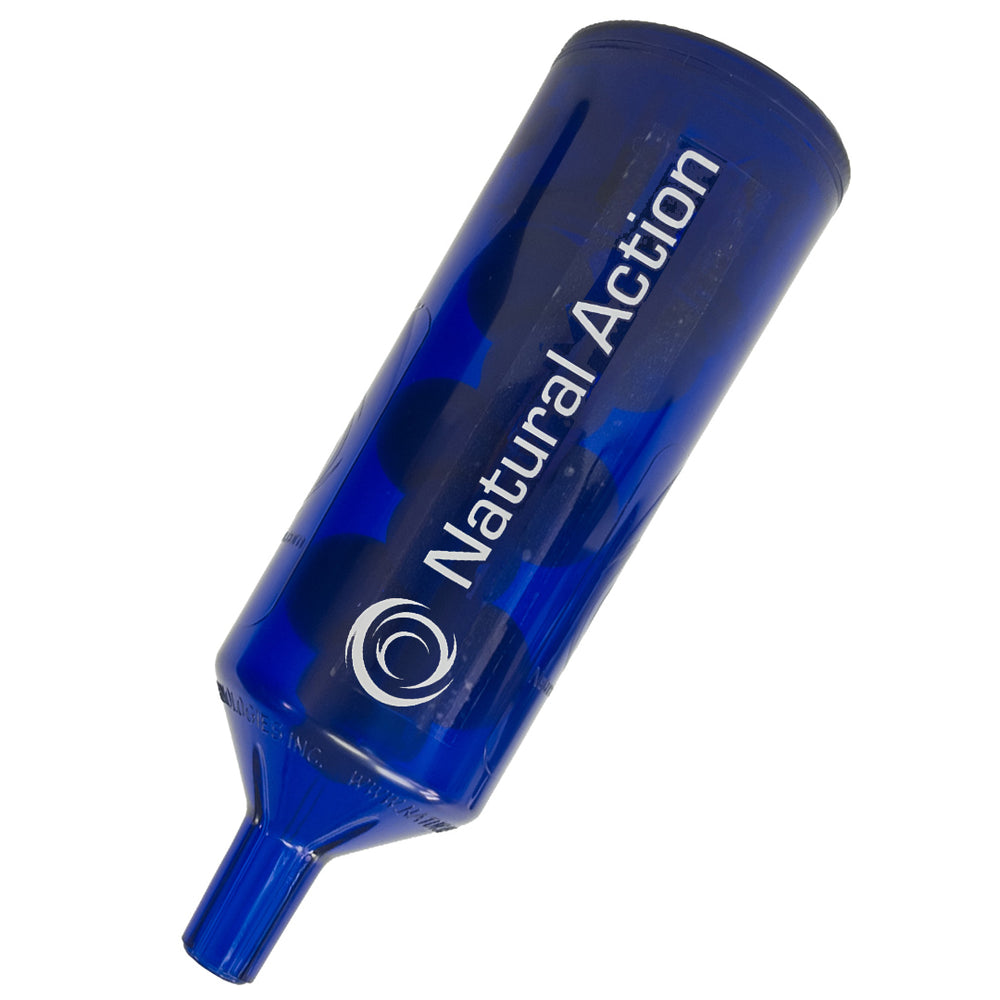
Natural Action Structured Water System: Enhancing Water After Filtration
Natural Action products are designed to complement filtration by improving how water behaves — not just what is removed from it.
Using advanced vortex flow technology, Natural Action systems:
- restore spiral, natural movement
- reduce stress from pressure and straight-line flow
- enhance interaction with natural materials like quartz and shungite
- support more coherent water structure
This process helps guide water toward patterns similar to those found in natural spring water.
Read The Definitive Guide to Structured Water
Benefits of Combining Filtration + Structured Water Systems
When you combine lead filtration with a structured water system, you address both:
- Safety (removing contaminants)
- Quality (restoring natural behavior)
Users report:
- smoother, cleaner taste
- improved mouthfeel
- more refreshing hydration
- water that feels more natural and balanced
Why More Homeowners Are Upgrading Their Water Systems
Search trends show growing interest in:
- lead removal water filters
- best water filtration system for home
- structured water system benefits
- vortex water systems
People are realizing that water quality is not just about meeting minimum safety standards — it’s about optimizing what you drink every day.
Improve Your Water at Home
If you’re concerned about lead in drinking water, start with filtration.
But don’t stop there.
Start with our Portable structured water system to restore natural flow
Improve taste, feel, and hydration experience
Upgrade your water beyond basic safety
Discover how Natural Action helps transform your water at home.
Final Thoughts
Lead contamination has brought much-needed attention to drinking water safety.
But it has also revealed a bigger truth:
Water quality doesn’t stop at the treatment plant.
The water you drink is shaped by:
- your plumbing
- your environment
- and how water moves
By combining filtration with natural flow restoration, you can take control of your water quality in a more complete way.
Because better water isn’t just about what’s removed…
It’s about what’s restored.


