



Harmful Algal Blooms and Cyanotoxins in Drinking Water; What the EPA Says and What Homeowners Should Know
Water safety conversations often focus on contaminants like lead, PFAS, and aging infrastructure.
But another growing concern across the United States is cyanotoxins in drinking water, caused by harmful algal blooms.
The Environmental Protection Agency (EPA) has increased guidance and monitoring efforts around this issue, highlighting a broader shift in how we approach drinking water quality and safety.
What Are Harmful Algal Blooms?
Harmful algal blooms (HABs) occur when certain types of cyanobacteria — often called blue-green algae — grow rapidly in freshwater systems.
Under normal conditions, these organisms are harmless.
But when environmental factors change, they can multiply quickly and form dense blooms that release cyanotoxins into the water.
What Causes Cyanotoxins in Drinking Water?
Cyanotoxins are produced when cyanobacteria thrive in favorable conditions such as:
- warm water temperatures
- slow-moving or stagnant water
- high nutrient levels (nitrogen and phosphorus)
These nutrients often come from:
- agricultural runoff
- wastewater discharge
- stormwater pollution
- fertilizer use
When blooms occur in lakes or reservoirs used for drinking water, toxins can enter municipal water systems.
Why Cyanotoxins Are a Growing Concern
Because many U.S. water systems rely on surface water, harmful algal blooms are becoming a major challenge.
The EPA has identified cyanotoxins as an emerging drinking water risk, requiring:
- increased monitoring
- early detection systems
- improved treatment methods
This aligns with broader regulatory shifts discussed in our article on why 2026 is a turning point for drinking water quality.
EPA Guidelines for Managing Cyanotoxins
To protect public health, the EPA recommends:
1. Early Monitoring
Water utilities are encouraged to monitor source water during warmer months when blooms are more likely.
2. Rapid Response
If cyanobacteria levels rise, treatment processes can be adjusted before toxins reach drinking water.
3. Advanced Treatment Methods
Common treatment approaches include:
- activated carbon filtration
- enhanced coagulation
- oxidation processes
- advanced filtration systems
These treatment strategies are similar to those used for other contaminants like PFAS, which we cover in our guide to lead and chemical contamination in drinking water.
The Role of Environmental Protection
Long-term prevention focuses on reducing nutrient pollution at the source.
Efforts include:
- controlling agricultural runoff
- improving wastewater management
- reducing fertilizer overuse
Climate change also plays a role, as warmer temperatures and changing rainfall patterns can increase bloom frequency.
What This Means for Homeowners
Even with improved regulations, water quality challenges are evolving.
Municipal systems are designed to meet safety standards — but not necessarily to deliver optimal water quality at home.
This is why more homeowners are taking additional steps, including:
- installing water filtration systems
- reviewing local water reports
- improving water quality at the household level
If you’re concerned about contaminants in your home, see our guide on lead in drinking water and how to reduce exposure.
Filtration Is Essential — But It’s Not the Whole Picture
Filtration plays a critical role in removing contaminants like:
- cyanotoxins
- lead
- PFAS
- chlorine
But water quality is influenced by more than just chemistry.
It also depends on how water moves and behaves.
As explained in our article on why mountain water tastes better, natural water is constantly moving, oxygenating, and interacting with minerals.
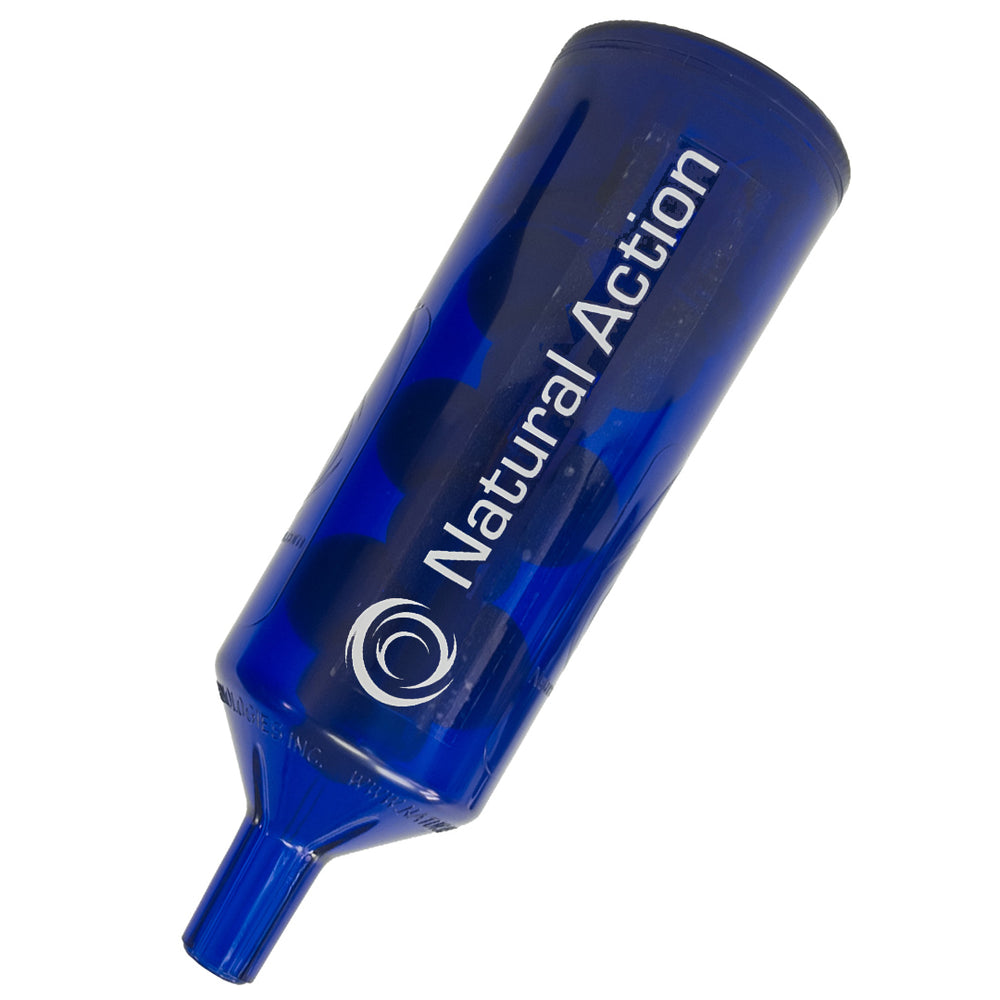
Natural Action Structured Water Systems: Restoring Natural Flow
Natural Action products are designed to improve water after filtration, focusing on restoring natural movement patterns.
Using advanced vortex flow technology, Natural Action systems:
- guide water through spiral, vortex-like motion
- reduce stress caused by pressure and straight pipes
- enhance interaction with natural materials like quartz and shungite
- support more coherent, structured water behavior
This approach mimics how water flows in natural streams and springs.
Benefits of Combining Filtration + Structured Water Systems
By combining contaminant removal with flow restoration, homeowners can:
- improve taste and smoothness
- enhance water freshness
- reduce flat or lifeless qualities
- create a more natural hydration experience
Learn more in our complete guide to structured water systems and vortex water technology.
Why Cyanotoxins Reflect a Bigger Shift in Water Quality
The EPA’s focus on cyanotoxins is part of a larger trend:
Water quality is no longer just about safety — it’s about awareness, transparency, and optimization.
From:
- harmful algal blooms
- PFAS contamination
- lead exposure
People are beginning to understand that water systems are dynamic — and require ongoing attention.
Improve Your Water Quality at Home
As new challenges like cyanotoxins emerge, taking control of your water at home becomes more important than ever.
Use filtration to reduce contaminants
Add a structured water system to restore natural flow
Improve taste, feel, and hydration quality
Discover how Natural Action helps bring your water closer to nature.
Final Thoughts
Harmful algal blooms and cyanotoxins highlight how complex modern water systems have become.
While regulations and treatment methods continue to improve, water quality ultimately extends beyond the treatment plant.
It includes:
- environmental conditions
- infrastructure
- and how water behaves in your home
As awareness grows, more people are asking a deeper question:
What kind of water am I really drinking?
And the answer is shaping the future of hydration.


