



Why 2026 Is Becoming a Turning Point for Drinking Water Quality
Water quality is quickly becoming one of the most important public health conversations in the United States.
For decades, most people assumed that if water came from the tap, it was safe and ready to drink. But growing awareness of contaminants, aging infrastructure, and environmental pollution is changing that perception.
In 2026, major new regulations and updates are reshaping how we think about drinking water — and what we expect from it.
Why Drinking Water Quality Is Getting More Attention
Across the country, more people are asking questions like:
- What’s really in my tap water?
- Does “safe” mean optimal?
- How can I improve my water at home?
This shift is being driven by increasing awareness of:
- lead contamination
- PFAS (“forever chemicals”)
- industrial pollutants
- aging water infrastructure
If you’re concerned about contamination at home, read our guide on lead in drinking water and how to reduce exposure.
New PFAS Regulations: Addressing “Forever Chemicals”
One of the biggest changes in 2026 involves PFAS — commonly known as forever chemicals.
These substances:
- do not break down easily
- accumulate in the environment and human body
- are found in industrial products, coatings, and firefighting foams
PFAS contamination has been detected in water supplies across the U.S.
What’s Changing in 2026
New regulations now require:
- expanded PFAS testing by water utilities
- stricter contaminant limits
- preparation for advanced filtration upgrades
To meet these standards, many municipalities will need to implement:
- activated carbon filtration
- reverse osmosis systems
Learn more about how filtration impacts water quality and taste in our article on improving water at home.
Why Infrastructure Improvements Take Time
Replacing outdated infrastructure is not simple.
Many communities still rely on:
- aging pipes
- older treatment systems
- legacy industrial impacts
Upgrading these systems involves:
- high costs
- large-scale construction
- long timelines
This means that while regulations are improving, water quality at the tap may not change overnight.
Consumer Confidence Reports Are Becoming More Transparent
Another major shift in 2026 involves Consumer Confidence Reports (CCR) — the annual water quality reports sent to households.
New guidelines are pushing for:
- clearer language
- more frequent updates
- better explanations of contaminants (including lead and PFAS)
This increased transparency is empowering homeowners to better understand their water.
Why “Safe” Water Isn’t Always Optimal
Municipal systems are designed to meet regulatory safety standards — not necessarily to deliver the highest possible water quality.
That means your water may:
- meet legal limits
- still contain trace contaminants
- lack natural balance and structure
This is why many homeowners are exploring structured water systems and vortex water technology as a next step beyond filtration.
Beyond Filtration: A New Focus on Water Quality
Filtration is essential for removing contaminants like:
- lead
- PFAS
- chlorine
- heavy metals
But water quality also depends on something often overlooked:
How water moves and behaves.
In our article on why mountain water tastes better, we explain how natural flow patterns influence water quality.
In nature, water flows through:
- spirals
- curves
- vortex patterns
- mineral-rich environments
This movement helps maintain water’s balance, oxygenation, and structure.
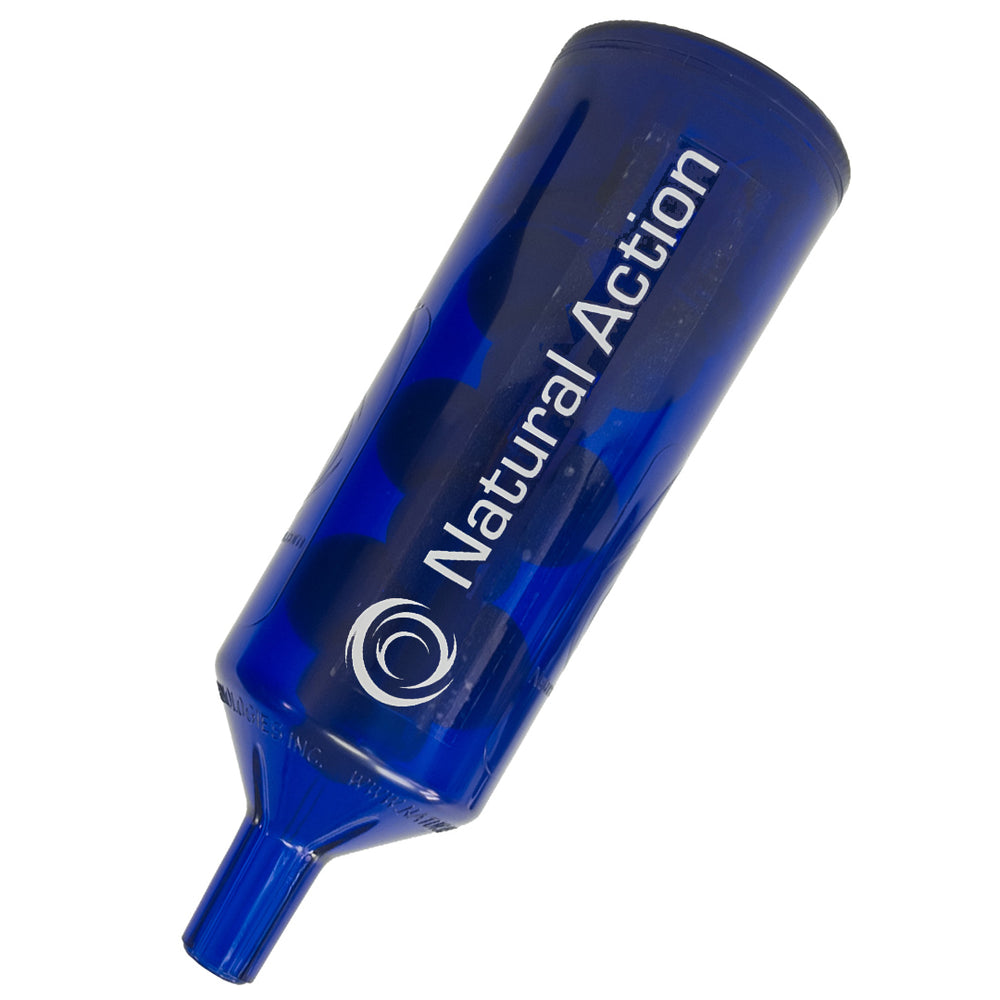
Natural Action Structured Water Systems: Restoring Natural Flow
Natural Action products are designed to improve water after it enters your home, complementing filtration systems.
Using advanced vortex flow technology, these systems:
- restore natural spiral movement
- reduce stress from pressure and straight-line plumbing
- support structured water behavior
For a deeper breakdown, read our guide on what a structured water system really is and how to choose.
Benefits of Structured Water Systems at Home
When combined with filtration, structured water systems can help:
- improve taste and smoothness
- enhance mouthfeel and freshness
- reduce flat or lifeless water qualities
This represents a shift from simply cleaning water to optimizing it.
Explore the Benefits of Structured Water
Why 2026 Marks a Turning Point
The changes happening in 2026 reflect something bigger than regulation.
They signal a shift in how we think about water:
From:
- “Is it safe?”
To:
- “Is it high quality?”
- “Is it optimized?”
Upgrade Your Water Quality at Home
If you’re reviewing your water quality in 2026, take a complete approach:
Start with filtration to remove contaminants
Add a structured water system to restore natural flow
Improve taste, feel, and hydration experience
Explore Natural Action systems and experience the difference.
How to Test your water quality
Final Thoughts
2026 is becoming a defining moment for drinking water.
With:
- stronger regulations
- better transparency
- growing awareness
Water is no longer just about access — it’s about quality.
And as more people begin asking:
“What kind of water am I actually drinking?”
The future of water is becoming more informed, intentional, and aligned with nature.


