



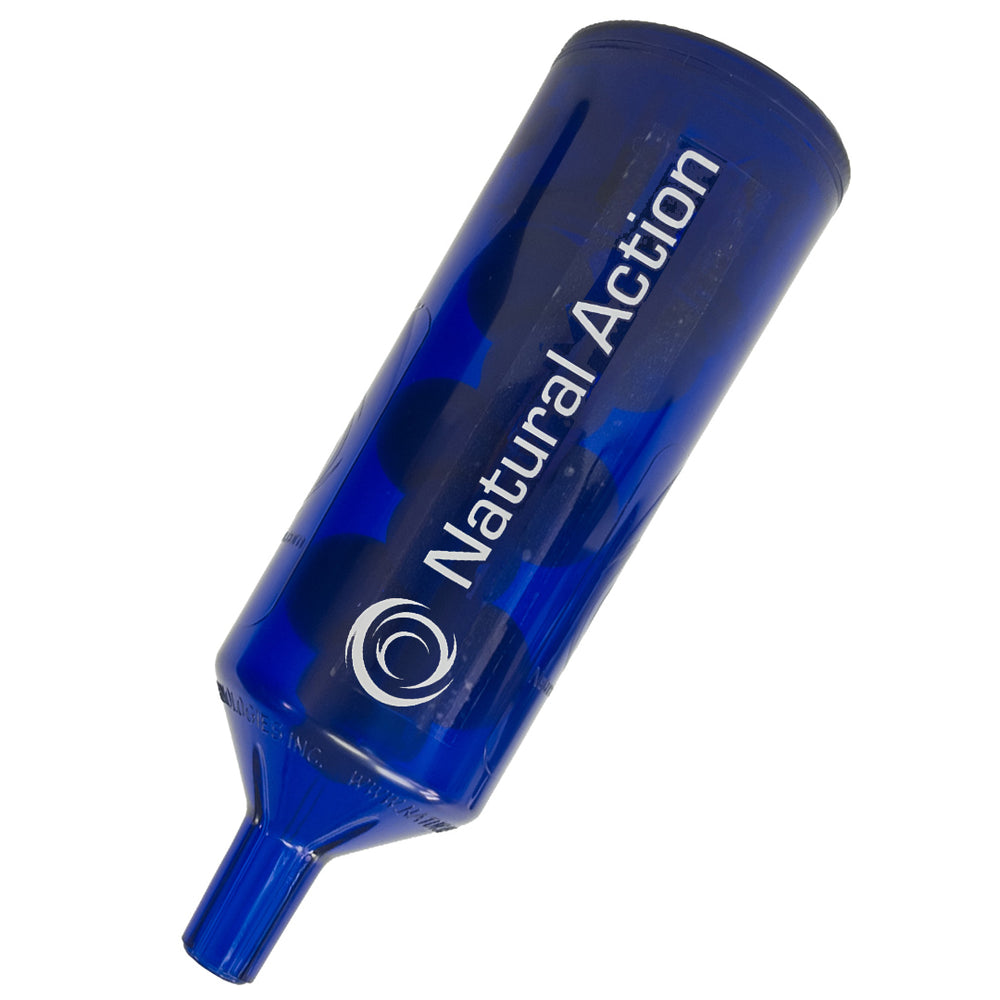
Discover Top Water Purification Technologies for Home Use
In our busy lives, ensuring access to clean and safe water is a top priority. At Natural Action, we are passionate about enhancing water quality through innovative solutions that mimic nature's processes. Our water purification technologies offer peace of mind for health-conscious individuals and families, ensuring that the water you drink is pure and revitalized.
The Journey of Water Purification
Water purification has come a long way since ancient times, evolving from simple methods like boiling and sand filtration to advanced technologies. These advancements have been driven by the need for cleaner, safer water. For a deeper dive into the history of water purification, check out Before Brita: A Brief History of Water Filtration - JSTOR Daily. Key milestones include:
- Sand filtration in the early 19th century, which paved the way for modern systems.
- Chlorination in the early 20th century, which drastically reduced waterborne diseases.
- Reverse osmosis and ultraviolet (UV) purification in the late 20th century, offering sophisticated solutions for removing contaminants.
These developments highlight our ongoing quest for better water purification methods, and at Natural Action, we continue this journey by integrating nature-inspired solutions to enhance both effectiveness and sustainability.
Types of Water: Know Your Options
Understanding the differences between purified, distilled, and regular water is key to making informed choices for your health. Here's a quick guide:
- Purified Water: Filtered to remove impurities, often through reverse osmosis or carbon filtration, offering a cleaner and safer option.
- Distilled Water: Free from minerals and impurities, created by boiling and condensing steam. It's very pure but lacks minerals.
- Regular Water: Tap or natural source water, which may contain minerals and impurities. Convenient but not always ideal for health-focused individuals.
Purified water is generally preferred for its health benefits. For more details, see Healthline's guide on water types.
Choosing the Best Water Purification Systems for Home
Selecting the right water purifier can significantly enhance your lifestyle. Here are some popular options:
- Reverse Osmosis Systems: They use a semi-permeable membrane to remove impurities, highly effective but may require maintenance.
- Activated Carbon Filters: These improve water taste and odor by removing chlorine and sediment, easy to install and maintain.
- Ultraviolet (UV) Purifiers: Use UV light to kill bacteria and viruses, ideal for those concerned about microorganisms.
- Gravity-Based Purifiers: Perfect for areas with unreliable water supply, easy to use without electricity, though may not remove all contaminants.
Each system has its pros and cons, so choose one that aligns with your household's needs and enhances your overall well-being.
Read: How to choose a filtration system for your home
How Water Purification Works
Understanding the process of water purification can help you choose the best system for your home. Here’s a simple breakdown:
- Coagulation and Flocculation: Chemicals are added to neutralize dirt particles, forming larger particles called floc.
- Sedimentation: Floc settles at the bottom, making it easier to remove.
- Filtration: Water passes through filters to remove particles, bacteria, and chemicals.
- Disinfection: A disinfectant is added to kill any remaining microorganisms, ensuring water safety.
These steps work together to provide clean, safe water, tailored to your specific needs.
Environmental Impact of Water Purification Technologies
While water purification is crucial for health, it's also important to consider its environmental impact. Here are some points to consider:
-
Environmental Benefits:
- Reduces plastic waste by minimizing bottled water use.
- Conserves water through optimized processes.
- Encourages eco-friendly materials and practices.
-
Environmental Concerns:
- Some systems may consume a lot of energy.
- Chemicals used in purification can impact the environment if not managed properly.
For more on sustainable practices, visit ELGA's blog. Choosing nature-inspired technologies, like those from Natural Action, supports eco-friendly practices while ensuring high-quality water.
Water Purifying Systems for Drinking
Access to clean drinking water is essential for health. Water purifying systems designed for drinking ensure your water is free from contaminants, offering a refreshing experience. Options include:
- Activated Carbon Filters: Remove chlorine and VOCs, enhancing taste and odor.
- Reverse Osmosis Systems: Thoroughly purify water, removing heavy metals and microorganisms.
- UV Purification: Uses UV light to kill bacteria and viruses.
- Ultrafiltration: Filters out particles, bacteria, and viruses for clean drinking water.
Integrating these systems into your routine can improve water quality and support better health. Explore Natural Action’s Under Sink Drinking Water Solutions for natural enhancement of your water quality.
Embrace Natural Action Solutions
We've explored the importance of clean water and the technologies available to achieve it. From historical advancements to modern solutions, water purification continues to evolve, ensuring access to safe and healthy water.
Consider how structured water can further enhance your well-being. Natural Action offers solutions like Whole Home Revitalizers and Portable Water Revitalizers, aligning with nature's processes to elevate your water experience.
We invite you to explore these innovative solutions and integrate structured water into your life. Visit naturalaction.com to discover how you can enhance your water quality and enjoy the benefits of revitalized water.


