



Hard Water Problems: What Causes Them and How Water Structure May Help
Hard water is one of the most common household water issues across the United States. Millions of homes receive water that contains elevated levels of dissolved minerals such as calcium and magnesium.
While these minerals are naturally occurring and generally safe to drink, they can create a variety of everyday inconveniences throughout your home.
Understanding how hard water forms, how it affects plumbing and appliances, and how water movement influences mineral behavior can help homeowners make smarter decisions about their water systems.
What Is Hard Water?
Hard water is water that contains high concentrations of dissolved minerals, primarily:
• calcium
• magnesium
• iron (in some regions)
These minerals enter water naturally as groundwater flows through limestone, chalk, and other mineral-rich rock formations underground.
By the time the water reaches municipal treatment facilities, it already contains these minerals.
Unlike contaminants, hardness minerals are not removed during standard water treatment, so they remain in the water delivered to homes.
Common Signs of Hard Water in Your Home
Hard water can affect everything from your plumbing to your daily routine. Some of the most noticeable signs include:
• white mineral buildup on faucets and showerheads
• soap that doesn't lather well
• spots on dishes and glassware
• dry skin or dull hair after showering
• scale buildup inside water heaters and appliances
Over time, mineral deposits — often called limescale — can accumulate inside pipes and appliances, reducing efficiency and increasing maintenance needs.
Explore How to Test Your Water At Home
Why Hard Water Causes Scale Buildup
The minerals responsible for water hardness remain dissolved in water as it flows through pipes. However, when water is heated or pressurized, those minerals can begin to crystallize and attach to surfaces.
This process leads to the hard white scale deposits often seen on:
• kettles
• showerheads
• water heaters
• dishwashers
• plumbing fixtures
Over time, scale buildup can reduce water flow, decrease appliance efficiency, and increase energy consumption.
Traditional Hard Water Solutions
Many homeowners address hard water by installing water softeners.
Water softeners typically use a process called ion exchange, which replaces calcium and magnesium with sodium or potassium ions.
While softeners can reduce scale buildup, they also:
• add sodium to the water supply
• require salt refills and maintenance
• discharge brine wastewater during regeneration
Because of these factors, some homeowners explore alternative ways to manage mineral behavior without removing the minerals entirely.
How Water Movement Influences Mineral Behavior
Water is not just defined by its chemical composition. How water moves also plays a role in how minerals behave.
In natural environments, water flows through:
• spiraling streams
• swirling vortex patterns
• turbulent waterfalls
• mineral-rich underground channels
These dynamic movements constantly mix and energize the water as it interacts with minerals and surfaces.
Modern plumbing systems, however, move water primarily through straight pressurized pipelines, which are designed for efficiency rather than natural flow patterns.
Read The Complete Guide to Natural Water Movement
What Is Structured Water?
Structured water refers to the way water molecules temporarily organize themselves through hydrogen bonding.
Water molecules continuously form and break small molecular clusters depending on factors such as:
• movement and turbulence
• temperature
• mineral presence
• surrounding surfaces
When water moves through vortex patterns and dynamic flow environments, the molecular interactions and mineral behavior can differ from water traveling through straight pipes.
Scientists continue to study how these flow dynamics influence water behavior.
Read The Definitive Guide to Structured Water
How Vortex Flow Technology Helps With Hard Water
Some modern water technologies focus on changing the way water flows through plumbing systems rather than removing minerals.
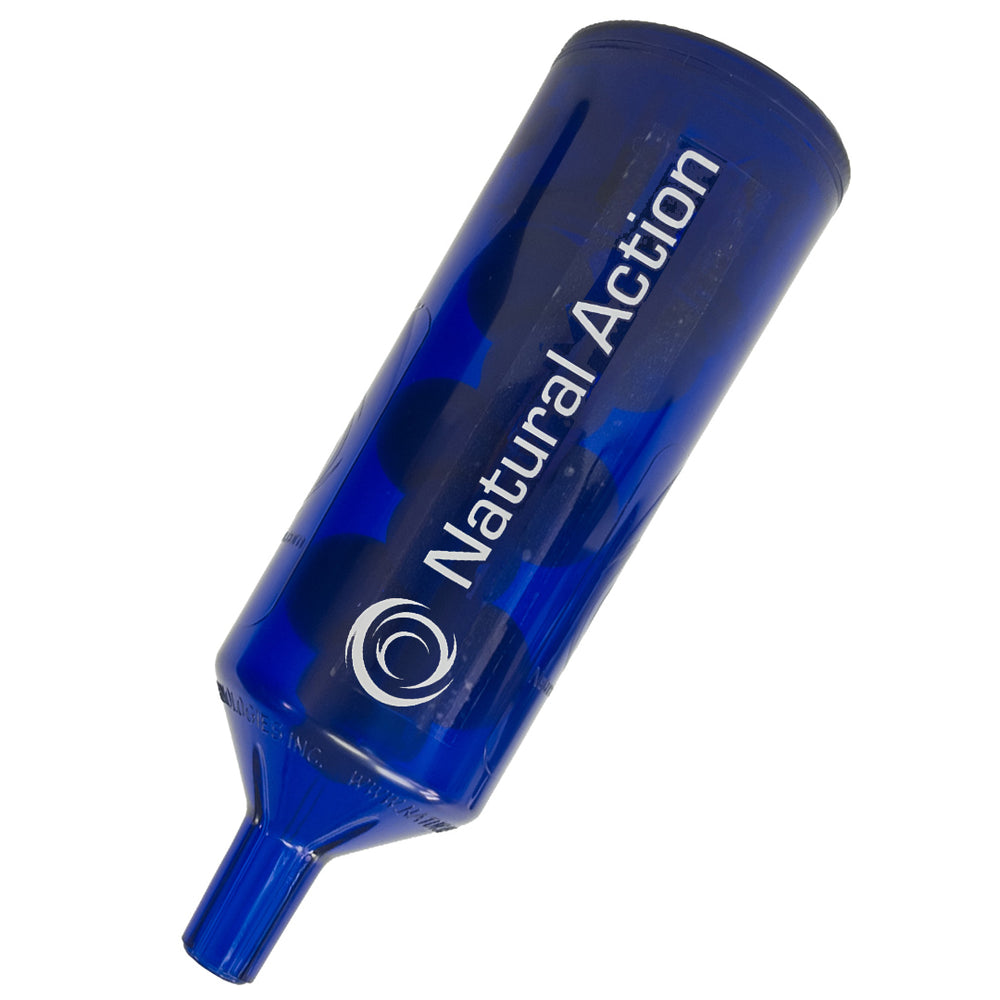
Natural Action systems use precision vortex flow engineering to guide water through controlled spiral motion inside pipes.
This movement mimics the swirling patterns found in natural streams and waterfalls.
Instead of chemically altering the water, the goal is to optimize the movement of water as it passes through the plumbing system.
Benefits Homeowners Often Notice
When water flows through vortex motion, homeowners report improvements in their everyday water experience.
Some commonly observed benefits include:
• smoother feeling water in the shower
• less noticeable mineral buildup on fixtures
• better tasting drinking water
• revitalized water throughout the home
These changes come from modifying water flow patterns rather than removing the minerals themselves.
Read The Benefits of Structured Water
A Nature-Inspired Approach to Hard Water
Hard water is a natural part of many regional water supplies. While minerals cannot always be avoided, the way water moves through plumbing systems can influence how those minerals behave.
By introducing vortex flow dynamics inspired by natural water movement, systems like Natural Action aim to help water move more naturally throughout the home.
It is a simple concept rooted in nature:
Water behaves differently when it flows the way nature intended.