



The Complete Guide to Natural Water Movement

Water is far more complex than H₂O.
Most of us learned a simple formula in school: H₂O — two hydrogen atoms bonded to one oxygen atom. While that description is technically correct, it barely scratches the surface of what water really is.
Water behaves in ways that set it apart from nearly every other liquid on Earth. Scientists have studied it for centuries, yet it continues to reveal new layers of complexity. The reason lies in how water molecules interact with each other.
Water Is Constantly in Motion
At the molecular level, water is never still. Individual molecules are continually forming and breaking connections known as hydrogen bonds. These bonds are temporary attractions between molecules that form and dissolve extremely quickly. In liquid water, this process happens trillions of times every second.
Because of these interactions, water does not behave like a collection of isolated molecules. Instead, it forms dynamic molecular networks—constantly shifting patterns that influence how water moves, flows, dissolves substances, and interacts with its environment.
This dynamic behavior is one of the reasons water can:
- dissolve minerals and nutrients
- regulate temperature effectively
- support complex biological systems
- respond to changes in its surroundings
Water’s ability to form these temporary molecular networks gives it properties that are rarely found together in other liquids. It can be both incredibly stable and constantly changing at the same time.
Water in Nature vs. Water in Modern Systems
In natural environments, water rarely sits still. Rivers flow, streams spiral around rocks, waterfalls create turbulence, and groundwater travels slowly through mineral-rich rock layers. These natural forces—movement, mineral interaction, gravity, and sunlight—all influence how water behaves.
In contrast, most modern plumbing systems move water through long straight pipes and storage systems, which are very different environments from flowing rivers and streams.
Learning From Nature
At Natural Action, we believe some of the best lessons about water come directly from nature. Observing how water moves in rivers and streams reveals patterns such as spiraling flow, turbulence, and continuous motion—dynamics that help mix oxygen, minerals, and energy throughout the water.
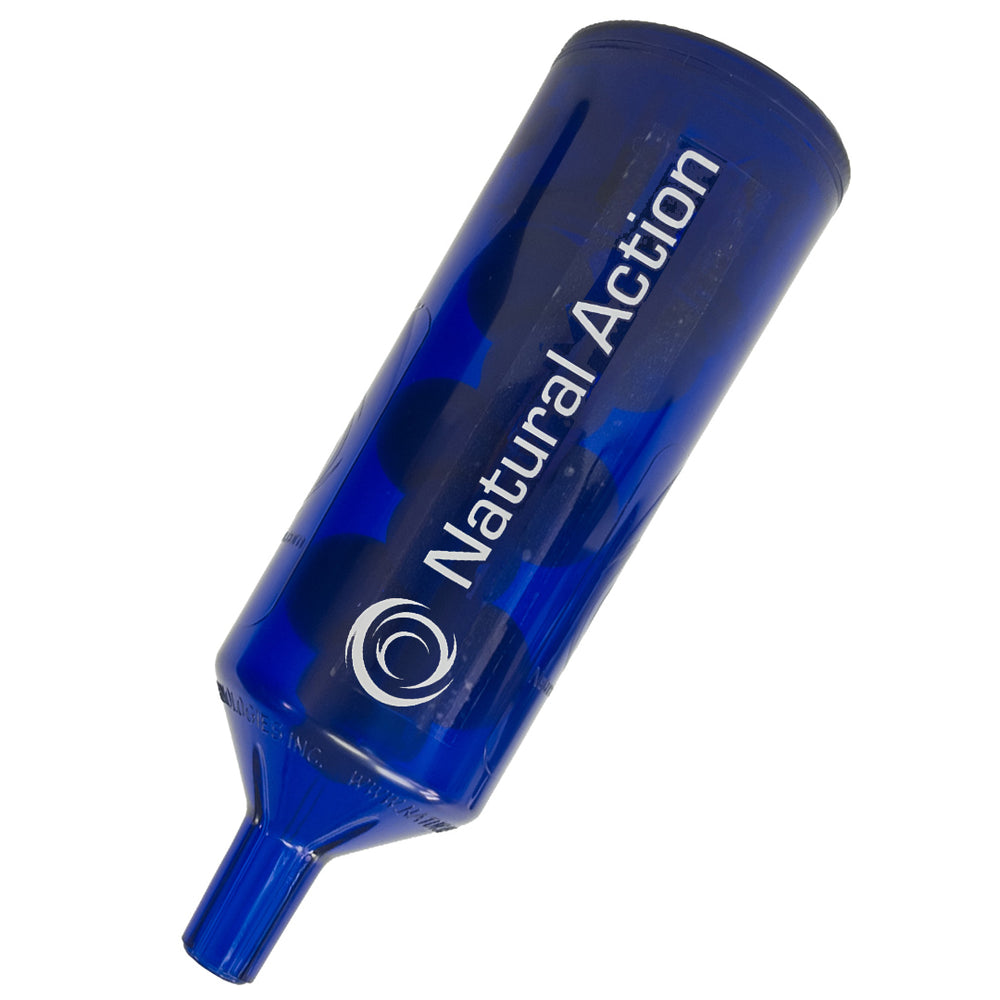
The Natural Action Revitalizers are inspired by these natural hydrodynamic patterns. Our units are either Portable or we have units that are installed directly into a plumbing system, the devices are designed to introduce motion patterns similar to those found in flowing water environments.
It works without electricity, chemicals, or filters, simply using the principles of physics and flow to influence how water moves as it passes through the system.
By drawing inspiration from the way water behaves in nature, Natural Action technologies aim to reconnect modern water systems with the natural dynamics that water has experienced throughout Earth’s history.
A Deeper Appreciation for Water
When we begin to understand water beyond its simple chemical formula, it becomes clear that it is far more than just H₂O. It is a dynamic, interactive substance that plays a central role in the natural world and in our daily lives.
Water is far more complex than its chemical formula suggests—and understanding how it behaves can help us appreciate the natural forces that shape it.

If you spend a few moments watching water in nature, you’ll notice something important: water is almost always moving.
From mountain streams to winding rivers and cascading waterfalls, natural water systems are in constant motion. This movement is not random. It follows patterns shaped by gravity, landscape, and the natural physics of flowing water.
Understanding these natural dynamics helps us see water differently—and it also reveals why movement plays such an important role in healthy water systems.
Gravity Drives Water’s Journey
At the heart of water movement in nature is gravity.
When rain falls onto mountains, hills, and forests, gravity pulls that water downhill. As it moves, water finds the path of least resistance, forming streams that eventually join together to create rivers.
Over time, this flowing water shapes the landscape, carving valleys, moving sediment, and creating the waterways we see around the world.
Streams and Rivers: Nature’s Water Highways
Streams and rivers act as natural transportation systems for water. As water flows, it carries minerals, nutrients, and dissolved elements through ecosystems.
This constant movement helps distribute resources that support aquatic life, plants, and surrounding environments.
Watch a mountain stream and you’ll see water moving over rocks, around bends, and through small cascades. These interactions with the landscape help mix and energize the water as it travels.
Waterfalls and Turbulence
Waterfalls and rapids create another powerful natural force: turbulence.
When water falls or rushes over rocks, it churns and mixes with the surrounding air. This turbulence helps introduce oxygen into the water and creates dynamic flow patterns.
These environments are often rich in life because the moving water is constantly interacting with air, minerals, and the surrounding ecosystem.
Oxygenation Through Movement
One of the key benefits of natural water movement is oxygenation.
As water flows, splashes, and spirals, it mixes with oxygen from the atmosphere. This oxygen supports aquatic ecosystems and helps maintain balance in natural waterways.
The faster and more dynamic the movement, the greater the opportunity for mixing and interaction with the environment.
Learning From Natural Water Systems
Nature provides an incredible blueprint for how water behaves in healthy environments. Rivers spiral, streams flow over minerals, and waterfalls create turbulence and motion.
At Natural Action, we believe these natural patterns hold valuable insights.
Seeing Water the Way Nature Does
When we observe water in nature, we begin to understand that movement is fundamental to how water interacts with the world around it.
Streams, rivers, waterfalls, and rainfall are all part of a system where water is continuously moving, mixing, and interacting with its environment.
In nature, water is almost always moving—and the patterns of that movement reveal important insights about how water behaves

Spend a little time observing a river from above and you’ll notice something fascinating: rivers rarely flow in straight lines. Instead, they curve, bend, and spiral across the landscape. This pattern isn’t accidental—it’s a natural result of how water moves through the environment.
Nature tends to favor flow, movement, and curves rather than rigid straight paths. These patterns reveal important insights about how water behaves when it is free to move naturally.
River Meandering
As rivers travel across land, they gradually develop curves known as meanders. These bends form because water flows at different speeds across the river channel.
Along the outer edge of a bend, water moves faster and gradually erodes soil or rock. Along the inner edge, water slows down and deposits sediment. Over time, this process reshapes the river’s path, creating the winding patterns we see from the air.
These curves allow the river to maintain its natural momentum while adapting to the terrain around it.
Vortex Motion in Flowing Water
Within these bends, water often forms spiral or vortex motion. This swirling movement helps circulate water from the surface toward the bottom and back again.
This natural vortex motion plays an important role in how water mixes and interacts with its surroundings. It keeps water dynamic and constantly moving, allowing it to interact with minerals, oxygen, and the environment.
Turbulence and Natural Mixing
When water flows around rocks, bends, and obstacles, it creates turbulence—small swirling currents that help mix the water.
This mixing distributes oxygen, minerals, and nutrients throughout the water column. These conditions help support aquatic ecosystems and contribute to the vitality of rivers and streams.
You can see this clearly in fast-moving rivers, mountain streams, and rapids where water churns and mixes as it flows.
Erosion and the Shaping of Rivers
The same forces that create river bends also shape landscapes. As rivers move and change direction, they slowly carve valleys and reshape the land over long periods of time.
Erosion along the outer edges of bends and sediment deposits along the inner edges continually reshape the river’s path. This process creates the beautiful winding rivers we see in aerial photographs.
Learning From Nature’s Water Patterns
At Natural Action, we look to nature for inspiration. The movement patterns seen in rivers—spiraling flow, turbulence, and continuous motion—demonstrate how water naturally behaves when it moves freely.
These natural hydrodynamic patterns inspired the design of the Natural Action Revitalizers.
Rather than forcing water through mechanical systems, it works through the physics of flow, drawing inspiration from the way water spirals and circulates in rivers and streams.
Seeing Water Through Nature’s Lens
When we observe rivers closely, we begin to understand something important about water: it is dynamic, adaptive, and constantly interacting with its environment.
Nature rarely pushes water through straight lines. Instead, it allows water to curve, spiral, and flow in patterns that support balance within natural systems.
Nature rarely moves water in straight lines—and the spiral patterns found in rivers reveal the dynamic way water moves through the natural world.

Every drop of water has a story.
Before the water reaches your home, it may have traveled through clouds, mountains, rivers, underground aquifers, and miles of infrastructure. Water is constantly moving through a remarkable cycle that connects natural systems with modern engineering.
Understanding this journey helps us appreciate the complexity of the water we use every day.
Evaporation: Water Begins Its Journey
The journey of water often begins with evaporation.
Heat from the sun causes water from oceans, lakes, and rivers to evaporate into the atmosphere as vapor. As this water vapor rises, it cools and forms clouds.
These clouds move across the planet, carrying water with them until conditions allow the moisture to return to the Earth.
Clouds and Rain
When water vapor condenses in the atmosphere, it eventually falls back to the ground as rain, snow, or other forms of precipitation.
This precipitation replenishes rivers, lakes, and underground water reserves. Some of the water flows across the land into streams and rivers, while another portion seeps into the ground.
This underground water becomes part of aquifers, natural reservoirs stored within layers of rock and soil.
Rivers and Aquifers
Rivers and aquifers play a critical role in distributing freshwater across the planet.
Rivers transport water through landscapes, often traveling hundreds or thousands of miles before reaching lakes or oceans. Along the way, the water interacts with minerals, oxygen, and ecosystems.
Underground aquifers slowly move water through geological formations, sometimes for years before it emerges as springs or is drawn for use by communities.
Municipal Water Systems
Before reaching your home, water typically passes through municipal water systems designed to ensure safety and reliability.
Water is collected, treated, and distributed through networks of pipelines that deliver water to homes, businesses, and communities. These systems represent an incredible feat of modern engineering, providing access to clean water for millions of people.
However, the environment water experiences in these systems is very different from the natural environments where water originally formed and flowed.
Learning From Nature
In nature, water is constantly moving—spiraling through streams, cascading down waterfalls, and flowing over mineral-rich rock.
At Natural Action, we believe there is value in learning from these natural water dynamics. The Natural Action Revitalizer was inspired by the movement patterns found in rivers and flowing streams.
From Nature to Your Home
When we look at water from this broader perspective, we begin to see that the water we use every day is part of a much larger system connecting the natural world with modern infrastructure.
Understanding this journey encourages a deeper appreciation for water and the many environments it travels through before reaching your faucet.
Water travels through complex natural and engineered systems before reaching your home.

Some of the purest and most fascinating water on Earth comes from natural underground systems. Long before water reaches rivers, lakes, or even our homes, it often spends years—sometimes decades—traveling through layers of soil, rock, and mineral formations deep beneath the surface.
These natural pathways shape the character of water in remarkable ways.
Understanding natural water sources helps us see how closely water is connected to the environments it moves through.
Springs: Water Emerging from the Earth
A spring forms when groundwater naturally rises to the surface through cracks or openings in rock layers.
This water may have traveled great distances underground before emerging. As it moves through rock formations, it interacts with minerals and geological layers that influence its composition.
Mountain springs are often surrounded by vibrant ecosystems because they provide a steady source of fresh water to the surrounding landscape.
For centuries, people have valued spring water because it reflects the natural environment it has passed through.
Aquifers: Nature’s Underground Reservoirs
Much of the world’s freshwater is stored underground in formations known as aquifers.
Aquifers are layers of rock, sand, or gravel that hold and slowly transport groundwater. Rainfall and snowmelt seep into the ground and gradually move through these underground reservoirs.
This process can take many years, as water slowly travels through tiny spaces between rocks and sediments.
Aquifers act as natural storage systems, supplying water to springs, rivers, and wells that communities rely on for drinking water.
Groundwater: A Hidden Water System
Groundwater is part of an enormous hidden water network beneath the Earth’s surface.
Unlike rivers and lakes that we can easily see, groundwater moves quietly through underground channels and porous rock layers. As it travels, it interacts with minerals and geological formations, gradually shaping the characteristics of the water.
This slow journey is one reason groundwater often carries dissolved minerals that influence its taste and composition.
Mineral Filtration in Nature
One of the remarkable aspects of groundwater systems is natural filtration.
As water moves through soil and rock layers, many particles are filtered out while minerals dissolve into the water. This natural interaction can contribute to the distinct taste often associated with spring water.
The mineral composition of water varies depending on the geological environment it has traveled through.
For example, water moving through limestone formations may contain higher levels of calcium, while other rock types may contribute different minerals.
Learning From Natural Water Systems
Natural water sources demonstrate how water interacts with its environment over time. Movement through rock layers, contact with minerals, and long underground journeys all influence how water behaves.
At Natural Action, we look to nature as a guide for understanding water dynamics.
The Natural Action Revitalizer is inspired by the natural movement patterns found in flowing water environments. Installed within a plumbing system, the Revitalizer introduces hydrodynamic motion into the water as it flows through pipes.
Rather than relying on electricity, chemicals, or filters, it works through the physics of water flow—drawing inspiration from the way water moves and interacts in natural environments.
Appreciating Water’s Natural Journey
When we think about natural water sources, we begin to see water as more than something that simply comes from a tap.
Water has often traveled long distances through the Earth before reaching the surface or entering our homes.
Spring water reflects the environment it traveled through.

Nature has been refining water systems for millions of years. When we observe rivers, streams, and waterfalls, we begin to see patterns that appear again and again. These patterns reveal how water naturally moves, mixes, and interacts with its surroundings.
Rather than flowing in rigid straight lines, water in nature follows dynamic hydrodynamic patterns. It curves around rocks, spirals through bends in rivers, cascades over waterfalls, and continuously interacts with the landscape around it. These natural movements help keep water active and connected to the environment.
Natural Hydrodynamic Patterns
In flowing rivers and streams, water is constantly adapting to the terrain. As it moves downhill, gravity pulls the water through winding channels, creating complex flow patterns that distribute energy throughout the current.
These hydrodynamic patterns allow water to mix with minerals, interact with ecosystems, and maintain movement throughout the waterway. Over time, these same forces shape landscapes, carve valleys, and sustain aquatic environments.
Nature rarely moves water in straight lines because curved and spiral patterns allow water to flow efficiently while constantly interacting with its surroundings.
Vortex Flow in Nature
One of the most common patterns found in natural water systems is vortex flow.
When water moves around obstacles such as rocks, bends in rivers, or drops in elevation, it often forms swirling motions or spirals. These vortex patterns help circulate water from the surface toward the bottom and back again.
This circulation keeps water dynamic and continually interacting with the air, minerals, and sediments in its environment.
Mixing and Oxygenation
Flowing water systems are also excellent natural mixers.
When water cascades over rocks or moves through rapids, turbulence forms small swirling currents that mix oxygen and nutrients throughout the water. This oxygenation through movement helps sustain aquatic ecosystems and contributes to the vitality of rivers and streams.
The faster and more dynamic the movement, the greater the opportunity for mixing and interaction.
Inspiration for Water System Design
For engineers and researchers studying water systems, nature provides a valuable blueprint. By observing how water naturally moves through rivers, streams, and springs, we can gain insight into the principles of fluid dynamics and hydrodynamics.
At Natural Action, these natural patterns are a source of inspiration. The Natural Action Revitalizer was designed with these principles in mind.
Rather than using electricity, chemicals, or filtration media, the Revitalizer works through the physics of water flow itself—encouraging movement patterns inspired by the dynamics seen in nature.
Nature as the Teacher
When we take the time to observe rivers, streams, and waterfalls, we begin to recognize that water has its own natural language of movement.
Spirals, turbulence, and continuous flow are all part of the way water interacts with the world around it. By studying these natural systems, researchers and engineers can better understand how water behaves and how natural principles can inform modern water technologies.
Nature has been shaping water systems for millennia, and there is still much we can learn from the way water moves through the natural world.
Reconnecting Water With Nature
For most of Earth’s history, water moved through natural environments—flowing through rivers, cascading down waterfalls, and traveling through mineral-rich rock formations beneath the surface. In these environments, water was constantly interacting with gravity, landscape, air, and minerals.
Today, much of the water we use travels through modern plumbing systems designed for efficiency and delivery. These systems are remarkable feats of engineering, allowing communities around the world to access safe, reliable water. However, the environments water moves through in modern infrastructure are very different from those found in nature.
Natural Flow vs. Modern Plumbing
In nature, water rarely moves in straight lines. Rivers curve through landscapes, streams spiral around rocks, and waterfalls create turbulence and mixing. These natural movements allow water to continuously interact with oxygen, minerals, and the surrounding ecosystem.
In contrast, modern plumbing systems typically move water through long, straight pipes and storage systems designed to transport water quickly and efficiently. While these systems successfully deliver water where it is needed, they do not replicate the same dynamic flow patterns found in natural waterways.
Understanding this difference encourages us to look more closely at the natural behaviors of water.
Inspiration From Natural Water Systems
Nature often provides valuable insight into how water behaves in dynamic environments. Observing rivers, springs, and streams reveals patterns such as vortex motion, turbulence, and continuous flow—movements that help water circulate and interact with its surroundings.
Researchers and engineers frequently study these natural patterns when exploring how water systems can be designed or improved. Natural hydrodynamics—the science of how fluids move—has long been informed by the behavior of water in rivers and streams.
Learning From Nature
At Natural Action, we look to nature as a source of inspiration. The Natural Action Revitalizer was designed with the movement of natural water systems in mind. By drawing from the hydrodynamic patterns observed in flowing rivers and streams, the technology introduces motion into water as it moves through plumbing systems.
Rather than relying on electricity, chemicals, or filtration media, the Revitalizer works through the physics of water flow itself, reflecting the natural movement patterns found in nature.
A Different Perspective on Water
Reconnecting water with natural movement patterns encourages a broader perspective on how water behaves and interacts with its environment. Rivers, streams, and springs demonstrate that water is most dynamic when it is allowed to move, circulate, and interact with the world around it.
By observing nature, we gain a deeper appreciation for the complex systems that shape water throughout its journey—from the natural landscape all the way to our homes.