



Why Tap Water Tastes Bad — and How Natural Action Helps Improve It
Many homeowners notice that their tap water doesn’t taste as fresh as natural spring water. Some describe it as flat, metallic, or slightly chemical.
While municipal water systems work hard to make drinking water safer and sanitary, several factors can influence how water tastes by the time it reaches your faucet.
Understanding what affects tap water flavor — and how water moves through plumbing systems — can help explain why some homes experience unpleasant tasting water.
Common Reasons Tap Water Tastes Bad
Tap water can taste different depending on your local water source, treatment methods, and plumbing infrastructure.
Some of the most common causes include:
Chlorine and Disinfectants
Most municipal water systems use chlorine or chloramine to disinfect drinking water and eliminate harmful microorganisms.
While effective for sanitation, chlorine can sometimes leave a noticeable chemical or “pool-like” taste in tap water.
Dissolved Minerals
Water naturally contains minerals such as:
• calcium
• magnesium
• iron
• sulfur compounds
These minerals can give water a metallic, bitter, or earthy flavor, especially in regions with hard water.
Aging Pipes and Plumbing
Older plumbing systems may contribute to taste issues. Over time, pipes can develop mineral buildup or corrosion, which can slightly alter the flavor of water as it flows through them.
Stagnant Water in Pipes
Water that sits in pipes overnight or for long periods may taste stale. This happens because water movement slows down, allowing gases and minerals to settle.
Running the tap for a few seconds often helps flush this water out.
Why Natural Spring Water Often Tastes Better
Many people notice that natural spring water tastes cleaner and more refreshing than tap water.
One reason is that water in nature moves through dynamic pathways such as:
• winding streams
• mineral-rich underground channels
• cascading waterfalls
• natural vortex currents
These movements constantly mix and aerate the water while it interacts with minerals and rock formations.
The result is water that has traveled through natural flow patterns that influence both its mineral balance and overall character.
Read Spring Water vs Purified Water
What Happens to Water Inside Modern Plumbing Systems
Once water leaves the treatment facility, it enters a network of pumps, pipes, and pressure systems designed to deliver water efficiently to homes and businesses.
Inside these systems, water typically moves through:
• straight pipelines
• mechanical valves
• pressure pumps
• long distribution networks
While this infrastructure is excellent for delivering drinking water, it does not replicate the spiraling, dynamic movement patterns found in nature.
Instead, water flows primarily in linear, pressurized pathways.
What Is Structured Water?
Water molecules naturally form temporary networks through hydrogen bonding.
Scientists often describe water as constantly reorganizing into small molecular clusters depending on environmental conditions such as:
• temperature
• pressure
• mineral content
• movement and turbulence
Structured water explores how water molecules behave differently depending on how the water moves.
In natural systems where water flows through vortex motion and turbulence, these molecular arrangements behave differently than water flowing through straight pipes.
Research into these dynamics continues to evolve.
Read The Definitive Guide to Structured Water
How Natural Action Helps Improve Tap Water
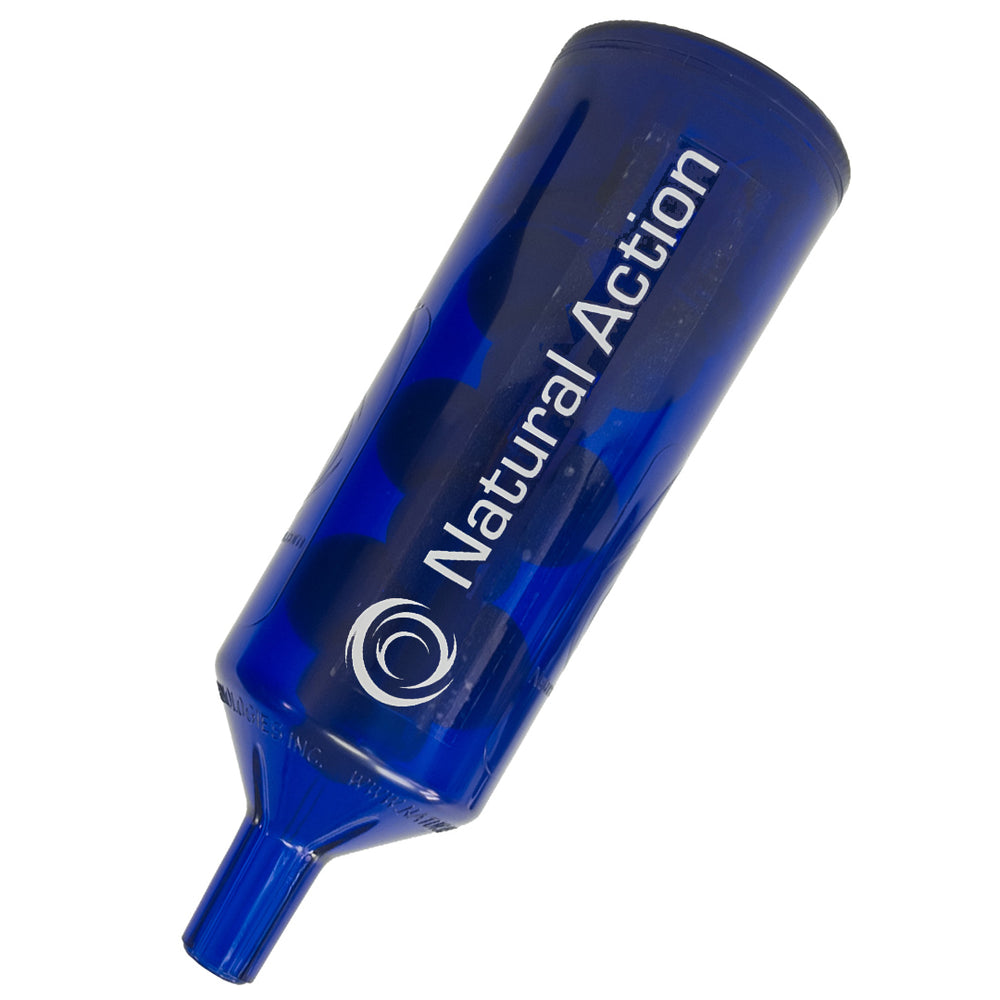
Natural Action systems are designed to restore natural movement patterns to water as it flows through your plumbing.
Using precision vortex flow engineering, the system guides water through controlled spiral motion inside the pipeline.
This motion is inspired by the swirling patterns found in natural streams, waterfalls, and springs.
Instead of using chemicals, electricity, or filters, Natural Action focuses on optimizing water movement.
Benefits Homeowners Notice
When water moves through vortex flow patterns, homeowners report improvements in their everyday water experience.
Commonly noticed benefits include:
• smoother tasting drinking water
• a more refreshing shower experience
• revitalized water throughout the home
• a reduction in flat or stale tasting tap water
These improvements come from changing how water moves, rather than altering its chemical composition.
Explore The Benefits of Structured Water
A Nature-Inspired Way to Improve Everyday Water
Tap water safety has improved dramatically thanks to modern treatment systems. However, the way water moves through plumbing systems today is very different from how it flows in nature.
Natural Action systems aim to bring some of that natural water movement back into the home, helping water flow more dynamically through your pipes.
Sometimes improving water isn’t about adding something new — it’s about restoring the way water naturally moves.