



The Complete Guide to Structured Water: Science, Benefits, and Implementation
Table of Contents
- What Is Structured Water?
- The Molecular Science Behind Water Structure
- How Vortex Technology Creates Structured Water
- Structured Water vs. Filtered Water: Understanding the Difference
- The Research: What Studies Show
- Benefits of Structured Water
- Applications: From Drinking to Agriculture
- How to Structure Water: Methods and Technologies
- Choosing the Right System for Your Needs
- Common Questions About Structured Water
What Is Structured Water?
Structured water refers to water with an organized molecular arrangement, where H₂O molecules form coherent patterns through hydrogen bonding. This organization occurs naturally in mountain streams, glacier melt, and spring water—anywhere water flows through natural vortex patterns, pressure changes, and mineral contact.
The concept centers on molecular geometry rather than chemical composition. Regular tap water and structured water have the same chemical formula (H₂O), but their molecular arrangement differs significantly. Think of it like carbon: both diamonds and coal are carbon, but their molecular structure determines their properties.
In nature, water achieves structure through:
- Spiral flow patterns (vortices)
- Contact with rocks and minerals
- Exposure to natural electromagnetic fields
- Temperature variations
- Pressure changes
Modern water treatment disrupts this natural structure. Municipal water systems force water through straight pipes under high pressure, treat it with chemicals, and expose it to electromagnetic interference. The water remains chemically safe but loses its natural molecular organization.
Structured water is sometimes called "living water," "revitalized water," or "coherent water." These terms all describe water with organized molecular arrangements that more closely resemble water in its natural state.
The Molecular Science Behind Water Structure
Water's molecular behavior is more complex than its simple H₂O formula suggests. Each water molecule has a polar structure—oxygen carries a slight negative charge while hydrogen atoms carry slight positive charges. This polarity allows hydrogen bonding between molecules.
Hydrogen Bonding and Molecular Clusters
Water molecules don't exist in isolation. They form dynamic clusters through hydrogen bonds, where the hydrogen atom of one molecule attracts the oxygen atom of another. These clusters constantly form, break apart, and reorganize.
In bulk water (regular tap water), these clusters are large, disorganized, and unstable. The molecular arrangement lacks coherence. In structured water, hydrogen bonding creates smaller, more organized clusters with specific geometric patterns.
Research suggests these organized clusters may form hexagonal or other geometric arrangements. The hydrogen bond network becomes more coherent, creating what some researchers call "liquid crystalline" properties.
Exclusion Zone (EZ) Water
Dr. Gerald Pollack's research at the University of Washington identified a distinct phase of water that forms adjacent to hydrophilic (water-attracting) surfaces. This "exclusion zone" water demonstrates unique properties:
- Distinct electrical charge
- Different density than bulk water
- Organized molecular structure
- Exclusion of solutes and particles
Laboratory investigations show that water near biological interfaces behaves differently than previously understood. Since human tissues are hydrophilic, this research suggests that water within biological systems may naturally exist in a more structured state.
While EZ water research continues to evolve, it represents one of the most rigorous scientific explorations into how water structure differs from conventional understanding.
Surface Tension and Bioavailability
Structured water typically exhibits lower surface tension than regular water. This physical property affects how water interacts with surfaces, cells, and biological membranes. Lower surface tension may support easier cellular uptake and more efficient hydration at the cellular level.
How Vortex Technology Creates Structured Water
Vortex flow technology mimics nature's water structuring process. In natural environments, water moves through spiral patterns as it flows over rocks, around obstacles, and through varying terrain. This movement creates organized turbulence that restructures water at the molecular level.
The Natural Model
Observe water in a mountain stream. It doesn't flow in straight lines. It spirals, creates eddies, forms vortices behind rocks, and experiences constant directional changes. This dynamic movement:
- Introduces oxygen
- Creates pressure variations
- Generates electromagnetic effects through motion
- Facilitates mineral contact
- Produces organized turbulence
Austrian naturalist Viktor Schauberger studied these natural water patterns extensively in the early 20th century. His observations of how water behaves in pristine natural environments informed modern vortex technology design.
How Vortex Devices Work
Structured water devices use precisely engineered flow pathways to replicate natural vortex motion. Water passes through a chamber designed with specific geometry that creates spiral flow patterns.
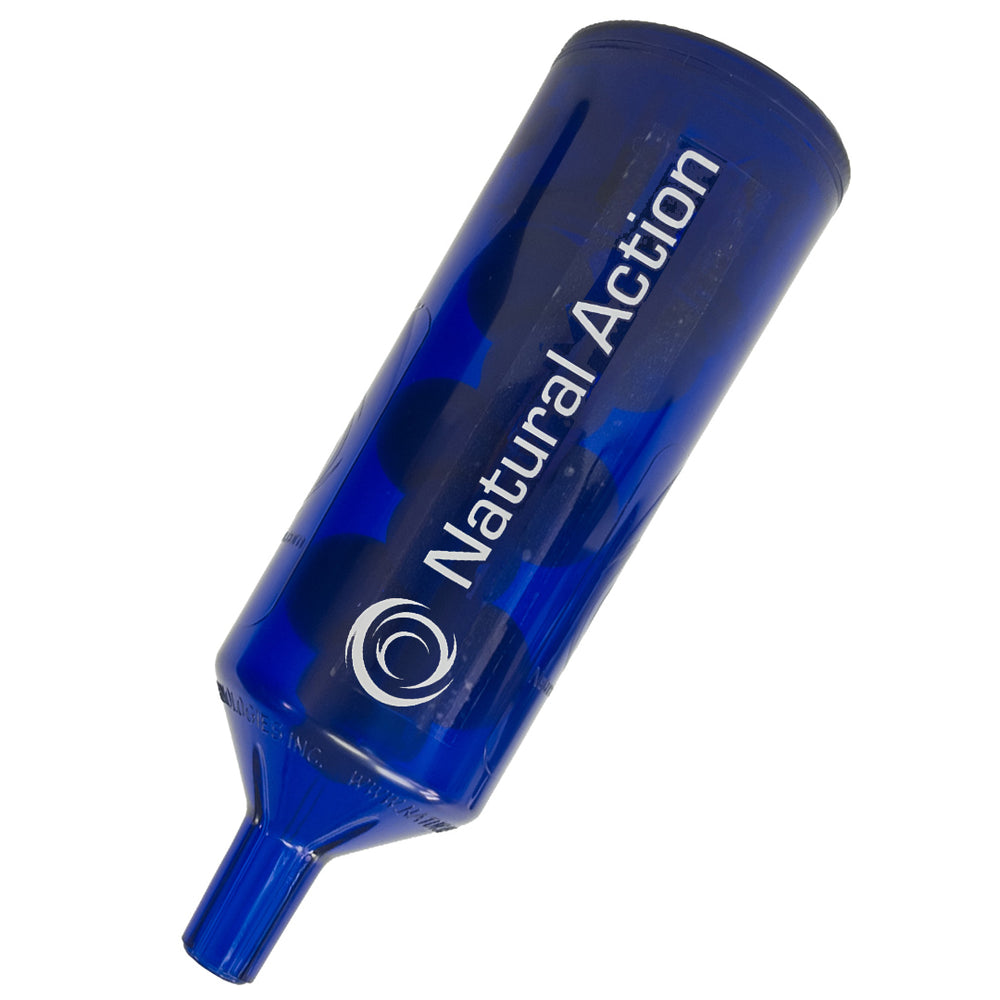
Natural Action devices use flow-form geometry combined with rare earth materials. As water moves through the device:
- Initial flow entry introduces water into the vortex chamber
- Spiral pathways create left and right rotating vortices (double vortex motion)
- Pressure changes occur as water accelerates and decelerates through varying chamber dimensions
- Turbulence patterns break apart large molecular clusters
- Reorganization occurs as water exits, with molecules forming more coherent arrangements
This process requires no electricity, no filters, no chemicals, and no moving parts. It's entirely passive, relying on water's natural tendency to organize when exposed to proper flow dynamics.
The Role of Materials
Some vortex systems incorporate additional elements:
- Rare earth materials that may influence electromagnetic properties
- Specific minerals that provide surface contact points
- Magnetic components (in advanced systems like MagnaRay) that support molecular alignment
The combination of geometry, materials, and flow dynamics creates conditions that support water restructuring.
Duration of Structure
A common question: how long does water remain structured after treatment?
Water structure isn't permanent. Molecular arrangements remain dynamic. However, research and user experience suggest that water maintains enhanced properties for hours to days after structuring, depending on storage conditions. Factors that may affect structure retention include:
- Storage container material (glass vs. plastic)
- Exposure to electromagnetic fields
- Temperature fluctuations
- Agitation or movement
For optimal results, structure water as close to consumption as possible—which is why portable units that structure water at the point of drinking are effective entry points.
Structured Water vs. Filtered Water: Understanding the Difference
This distinction confuses many people exploring water quality. Filtration and structuring serve different purposes and address different aspects of water quality.
What Filtration Does
Water filters physically remove contaminants from water. Different filter types target different substances:
- Carbon filters remove chlorine, volatile organic compounds, some pesticides, and taste/odor issues
- Reverse osmosis removes dissolved solids, heavy metals, fluoride, and most contaminants
- Sediment filters remove particulate matter and turbidity
- UV filters kill microorganisms
Filtration is a chemical and physical removal process. It makes water purer by eliminating unwanted substances. However, filtration doesn't change the molecular structure or organization of water molecules. Filtered water is cleaner, but its molecular arrangement remains the same as before filtration.
What Structuring Does
Water structuring is a physical and energetic process that reorganizes molecular arrangements without removing anything from the water. Structuring devices don't filter—they restructure.
When water is structured:
- Contaminants remain physically present
- The molecular arrangement changes
- Hydrogen bonding patterns reorganize
- The energetic signature shifts
This is crucial to understand: structured water units are not filters and do not remove contaminants. If your source water contains lead, chlorine, or other substances you want removed, structuring alone won't eliminate them chemically.
However, structuring may change how those substances interact within the water's molecular structure. The analogy to carbon holds: chlorine in structured water vs. chlorine in unstructured water may behave differently at the molecular level, even though both contain the same chemical compound.
Why Both Matter
For optimal water quality, many users combine filtration and structuring:
- Filter first to remove physical and chemical contaminants
- Structure second to restore molecular organization
This approach addresses both purity (filtration) and vitality (structure). You get clean water that also has organized molecular arrangements.
Natural Action's combined systems (like the Sink Revitalizer with Filtration or MagnaRay Advanced with Under Sink Filtration) integrate both processes in one installation.
Structured Water vs. Alkaline Water
These are also completely different concepts:
Alkaline water focuses on pH level (potential hydrogen). It's typically created by adding minerals or using electrolysis (ionization). This is a chemical change that alters water's acidity/alkalinity.
Structured water focuses on molecular geometry—the shape and organization of H₂O molecules. This is a physical/energetic change that occurs without adding anything to the water.
You can structure any type of water—filtered, distilled, alkaline, or mineral water—to enhance its molecular organization. Structuring and alkalinization are independent processes that can be combined if desired.
Structured Water vs. Reverse Osmosis
Reverse osmosis (RO) provides extremely thorough filtration, removing virtually all dissolved solids and contaminants. It produces very pure water. However, RO also removes beneficial minerals and strips water of its natural properties.
Many users pair RO filtration with structuring:
- RO removes contaminants thoroughly
- Structuring restores molecular organization that RO processing disrupts
If you already have an RO system, adding a portable structured water unit after the RO system can restore organizational properties to the purified water.
The Research: What Studies Show
Structured water research spans multiple disciplines: fluid dynamics, biophysics, agricultural science, and animal physiology. The field remains developing, with ongoing studies exploring mechanisms and effects.
Animal Studies
A 2021 review in the Journal of Animal Science examined structured water effects on animals. Studies consistently showed benefits when water was exposed to magnetic fields between 1,000 and 4,000 Gauss for brief periods in flow-through systems:
- Increased growth rates
- Improved egg mass and milk yield
- Enhanced carcass mass
- Better reproductive indices
- Improved blood lipid and glycemic profiles
- Enhanced antioxidant and inflammation markers
The review noted that field strengths above 3,000 Gauss may generate undesirable effects, suggesting optimal parameters exist for water treatment.
Plant and Agricultural Applications
Research on structured water in agriculture shows promising results:
- Increased soil fertility markers (nitrogen content and delivery capacity)
- Enhanced mineral absorption rates in plants
- More diverse soil microbiomes
- Improved plant vitality and yield
Farmers using structured water report yield increases of 30-50% in some crops, with strawberry farmers reporting even higher improvements. These results suggest that water structure affects not just hydration but nutrient delivery and biological system function.
Crystallography and Visual Evidence
Water crystallography studies examine ice crystal formation patterns in different water samples. Proponents suggest that structured water forms more organized, symmetrical crystals when frozen, while disorganized water forms irregular patterns.
While this research remains controversial in mainstream science, visual documentation shows consistent differences between water samples from natural sources versus municipal systems.
Human Energy Field Studies
Some research using electro-photonic imaging (gas discharge visualization) suggests that consuming structured water produces measurable changes in the human energy field. Studies report 5-20% increases in field symmetry and density after drinking structured water.
These measurements remain outside conventional medical diagnostics but represent one approach to quantifying structured water effects.
Scientific Controversy
Structured water research faces skepticism from conventional chemistry. The primary criticism: water molecules move too rapidly to maintain stable structure under normal conditions. Mainstream science argues that hydrogen bonds form and break in picoseconds, making lasting molecular organization unlikely.
Supporters counter that:
- Structure doesn't require permanent bonds, just organized patterns
- Water near surfaces (like biological tissues) behaves differently than bulk water
- Measurable physical properties (surface tension, electrical conductivity, viscosity) differ between structured and unstructured samples
- Biological effects in animals and plants suggest functional differences exist
The debate continues. What's clear: water's behavior is more complex than its simple chemical formula suggests, and research continues to reveal properties that conventional models don't fully explain.
Regulatory Status
No regulatory body (FDA, EPA, WHO) has approved health claims for structured water devices. This doesn't mean the technology is ineffective—it means the regulatory framework hasn't yet addressed this category of water treatment.
Natural Action makes no medical claims about structured water. The technology focuses on water quality enhancement and molecular organization, not disease treatment or prevention.
Benefits of Structured Water
Users report a range of benefits from structured water consumption and use. These benefits span hydration, household applications, agriculture, and animal care.
Hydration and Cellular Function
The primary reported benefit is enhanced hydration. Users commonly describe:
- Feeling more hydrated with less water consumption
- Reduced frequency of urination (suggesting better cellular uptake)
- Increased energy levels
- Improved mental clarity
- Better athletic recovery
The mechanism: structured water's lower surface tension and organized molecular arrangement may support easier passage through cell membranes. Water reaches cells more efficiently, reducing the volume needed for adequate hydration.
One customer testimonial captures this: "I drank more than 3 liters of water a day and it seemed like the water just ran right through me. After using the portable revitalizer, I drink way less water, pee less, and feel way more hydrated."
Taste and Water Quality
Structured water consistently tastes different than regular tap water. Users describe it as:
- Smoother
- Softer
- Lighter
- More refreshing
- Cleaner tasting
This taste difference appears immediately and is one of the most universally reported effects. When water feels better to drink, people naturally consume more, supporting better hydration habits.
Skin and Hair
Showering in structured water produces noticeable effects:
- Softer skin feel
- Reduced dryness
- Improved hair texture
- Better lathering of soaps and shampoos
- Less residue after rinsing
The reduced surface tension allows water to interact differently with skin and hair, creating what users describe as a "spa-like" experience at home.
Shower Structured Water Revitalizer
Hard Water and Scale Reduction
Structured water affects mineral behavior in water. Users report:
- Reduced scale buildup on faucets, showerheads, and appliances
- Less mineral spotting on dishes and glassware
- Reduced soap scum formation
- Improved appliance longevity
Structuring doesn't remove minerals (that would require filtration or softening). Instead, the organized molecular arrangement appears to prevent minerals from adhering to surfaces as aggressively. Minerals remain in suspension rather than precipitating out as scale.
This benefit matters for households with hard water, where calcium and magnesium cause persistent buildup issues.
Whole Home Structured Water System
Plant and Garden Benefits
Gardeners using structured water consistently report:
- More vibrant, healthy plant appearance
- Increased growth rates
- Improved stress resistance
- Better fruit and vegetable flavor
- Reduced water needs
One customer noted: "I have noticed a big improvement in my outdoor container plants receiving structured water. They responded so well—more vibrant, strong and alive."
The mechanism may involve improved cellular water uptake in plants, similar to effects in human cells. Better hydration at the cellular level supports all plant functions.
Garden Structured Water Revitalizer
Pool and Spa Applications
Pool owners using structured water report:
- Reduced chlorine requirements
- Longer periods between chemical treatments
- Smoother, more balanced water feel
- Better water clarity
- Reduced algae formation
The reduced chlorine need represents significant cost savings over time, in addition to creating a more pleasant swimming experience.
Animal Health
Pet owners and livestock farmers report various benefits:
- Increased water consumption by animals
- Improved coat condition
- Better energy levels
- Reduced "chubbiness" with no diet changes
- Enhanced overall vitality
One customer noted remarkable changes after six months: "The need for nutritional supplements has decreased by about 92%, and the animals have lost their chubbiness and become sleek and more active without a change in their diet."
Detoxification Support
Structured water doesn't chemically neutralize toxins—filtration does that. However, users report that structured water supports the body's natural detoxification processes. The theory: better cellular hydration enables cells to process and eliminate toxins more efficiently.
This doesn't mean structured water removes toxins from water itself. If your water contains contaminants, filter first, then structure.
Sleep and Recovery
Some users report improved sleep quality and faster recovery from physical exertion. One testimonial: "Since I started using one, my sleep has transformed—I rest deeper and wake more refreshed. My heart rate has noticeably dropped."
The mechanism remains unclear, but enhanced cellular hydration may support recovery processes that occur during sleep.
Applications: From Drinking to Agriculture
Structured water technology applies across multiple contexts, from personal hydration to large-scale agricultural operations.
Personal Drinking Water
The most direct application is daily hydration. Options include:
Portable units that structure water at the point of consumption. Pour tap water, filtered water, or bottled water through the device immediately before drinking. Ideal for:
- Home use at the kitchen counter
- Office hydration
- Travel (fits in luggage)
- Gym and athletic activities
- Structuring beverages beyond water (coffee, tea, smoothies)
Under-sink systems that provide structured water directly from a dedicated faucet. These systems often combine filtration with structuring for comprehensive water treatment. Ideal for:
- Kitchen drinking water
- Cooking applications
- Households wanting structured water without portable device use
- Integration with existing plumbing
Whole-Home Implementation
Whole-home systems structure water at the main entry point, providing structured water to every tap, shower, appliance, and outdoor connection. This approach creates consistent water quality throughout the home.
Applications include:
- All drinking water sources
- Showers and baths
- Laundry (clothes feel softer, less detergent needed)
- Dishwashing (reduced spotting)
- Appliances (water heaters, washing machines, dishwashers)
- Garden hoses and irrigation
- Pool filling
Whole-home systems require professional installation at the main water line. They provide the most comprehensive solution for households committed to structured water throughout their property.
Whole Home Structured Water Systems
Shower and Bath
Shower-specific units attach inline with existing shower plumbing. They structure water specifically for bathing applications, where skin and hair benefits are most noticeable.
This represents a middle ground between portable units and whole-home systems—more comprehensive than point-of-use, less extensive than whole-home installation.
Garden and Agriculture
Garden units attach to outdoor faucets or integrate into irrigation systems. They structure water for:
- Vegetable gardens
- Flower beds
- Container plants
- Greenhouse operations
- Small-scale farming
- Landscape irrigation
Agricultural applications extend to:
- Crop irrigation systems
- Livestock watering
- Greenhouse production
- Orchard and vineyard operations
- Hydroponic systems
Farmers report significant yield improvements and reduced water consumption with structured water irrigation.
Pool and Spa
Pool-specific units handle the high flow rates required for pool filling and circulation. They structure water for:
- Swimming pools (residential and commercial)
- Hot tubs and spas
- Water features
- Koi ponds
The reduced chemical requirements create cost savings that offset the system investment over time.
Commercial and Industrial
Structured water technology scales to commercial applications:
- Restaurants and cafes (beverage quality, dishwashing)
- Hotels and resorts (guest experience, laundry operations)
- Spas and wellness centers (treatment water quality)
- Gyms and athletic facilities (member hydration, shower quality)
- Agricultural operations (irrigation, livestock)
- Food processing (ingredient water quality)
How to Structure Water: Methods and Technologies
Multiple approaches exist for creating structured water. They vary in mechanism, cost, convenience, and effectiveness.
Natural Methods
The simplest approaches use no technology:
Vortexing by hand: Stir water vigorously in a circular motion, creating a visible vortex. Some practitioners believe this introduces structure through movement. Effectiveness is limited and temporary.
Sunlight exposure: Place water in glass containers in direct sunlight. Proponents suggest sunlight energizes water. This method is passive and requires no equipment but lacks the dynamic flow that creates more significant restructuring.
Stone and crystal contact: Place specific minerals or crystals in water. The theory: water structures against hydrophilic surfaces. While this may create some localized structuring, it's less comprehensive than flow-based methods.
Natural source collection: Collect water directly from mountain springs or flowing streams. This provides naturally structured water but isn't practical for most people's daily hydration