



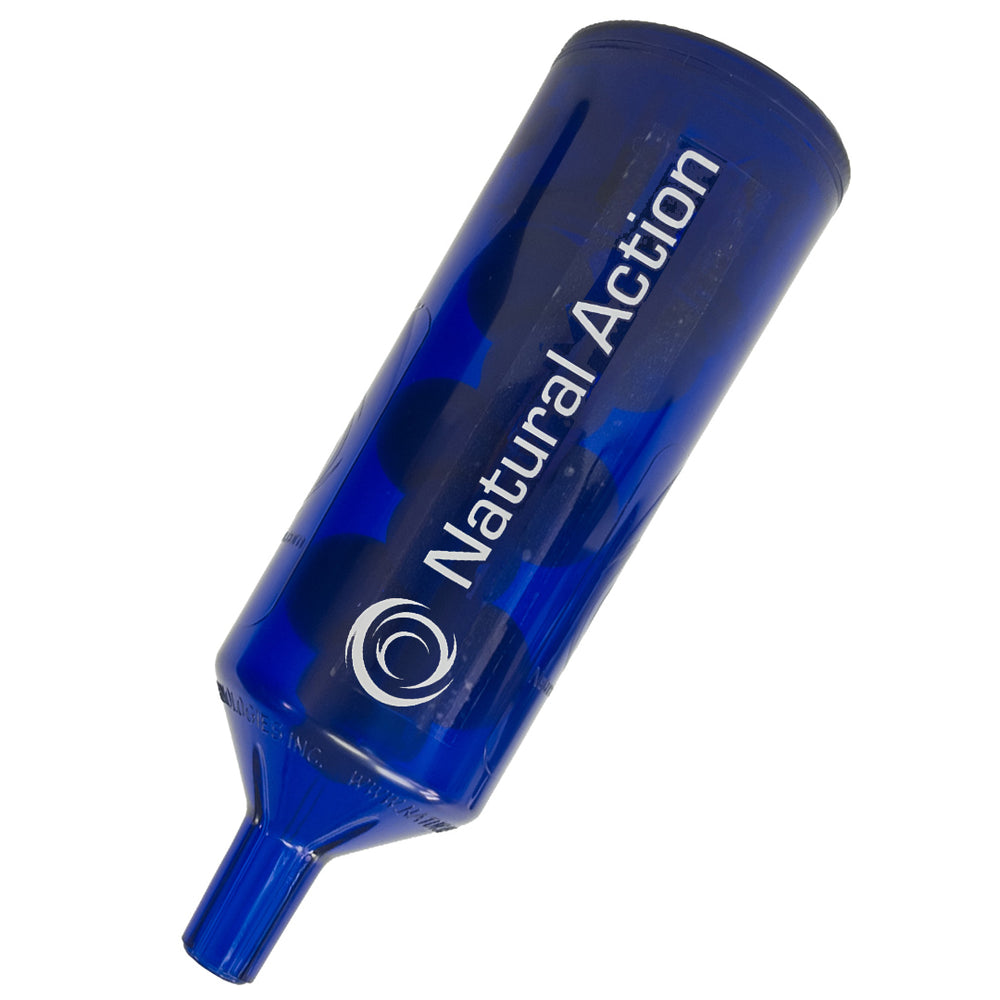
PFAS Water Filtration + Structured Water
A Complete Approach to Cleaner, Better Water
PFAS contamination is one of the fastest-growing concerns in drinking water today.
Known as “forever chemicals,” PFAS can persist in water supplies and may be difficult to remove without the right filtration technology.
At the same time, many homeowners are also looking beyond filtration—seeking water that not only meets safety standards, but also feels cleaner, fresher, and more natural.
Natural Action offers a complete approach by combining:
✔ Proven PFAS filtration methods
✔ Vortex water technology inspired by nature
What Are PFAS?
PFAS (per- and polyfluoroalkyl substances) are a group of man-made chemicals used in:
- non-stick cookware
- waterproof and stain-resistant materials
- firefighting foams
- food packaging
They are called “forever chemicals” because they do not easily break down in the environment and can accumulate over time.
PFAS can enter drinking water through:
- industrial discharge
- groundwater contamination
- municipal water systems
Why PFAS Filtration Matters
PFAS are challenging because:
- they are chemically stable
- they can persist in water systems
- standard filtration methods may not remove them effectively
This makes choosing the right water filtration system critical.
Best Water Filtration Methods for PFAS
1. Reverse Osmosis (RO)
Reverse osmosis is widely recognized as one of the most effective technologies for reducing PFAS.
RO systems use a semi-permeable membrane to remove:
✔ PFAS
✔ dissolved solids
✔ heavy metals
✔ many contaminants
2. Advanced Carbon Filtration
High-quality activated carbon systems can also help reduce many PFAS compounds.
They are commonly used in:
- drinking water systems
- whole house filtration setups
See our Carbon Filtration Option
The Missing Piece: Water Movement
Most PFAS solutions focus only on removing contaminants.
But water quality is not just about what’s removed—it’s also about how water behaves.
In nature, water is constantly moving through:
- streams
- springs
- rivers
These natural systems create vortex patterns that keep water dynamically mixed and in motion.
Modern plumbing systems, by contrast, move water through:
- straight pipes
- high pressure systems
- storage tanks
This changes how water behaves—even after filtration.
Read The Definitive Guide to Structured Water
Combining PFAS Filtration With Structured Water Technology
Natural Action systems are designed to address both sides of water quality:
✔ Filtration (Safety)
To help reduce PFAS and other contaminants using proven methods like:
- reverse osmosis
- activated carbon
✔ Vortex Flow (Natural Movement)
To guide water through spiral flow patterns inspired by nature
What Is Structured Water?
Structured water refers to water that forms organized molecular patterns, often associated with naturally flowing water in:
- mountain streams
- springs
- rivers
While water structure is still being studied, natural flow conditions—like vortex movement—are known to influence how water behaves.
Natural Action systems are designed to help recreate these natural flow dynamics.
Read A Simple Guide to Structured Water
Benefits of Combining PFAS Filtration + Vortex Technology
By combining filtration and vortex flow, homeowners can achieve water that is:
✔ cleaner (contaminant reduction)
✔ smoother tasting
✔ fresher feeling
✔ naturally moving
This creates a more complete water solution compared to filtration alone.
The Benefits of Structured Water
Natural Action PFAS Water Solutions
Natural Action offers flexible systems that can be customized based on your needs.
Inline Whole Home Water System
First Line of Defense
Treat water as it enters your home.
✔ reduces chlorine and contaminants
✔ supports PFAS reduction when paired with proper media
✔ protects showers, appliances, and plumbing
Read Why Not all Filters are Equal
Advanced Drinking Water Filtration
✔ high-performance carbon block filtration
✔ helps reduce PFAS and contaminants
✔ improves taste and odor
Ideal for daily drinking and cooking water.
Maximum PFAS Reduction
✔ highly effective PFAS removal
✔ multi-stage filtration
✔ reduces dissolved solids and heavy metals
Best for high-risk PFAS areas.
Vortex Water Technology (Add-On or Stand-Alone)
✔ works with existing filtration systems
✔ can be installed independently
✔ restores natural water movement
Because not all homes require filtration, vortex systems can also be used to enhance already clean water.
Do You Need Filtration, Vortex Technology, or Both?
Choose Filtration if:
- your water contains PFAS or contaminants
- you need verified contaminant reduction
Choose Vortex Technology if:
- your water is already filtered
- you want to improve water feel and flow
Choose Both for Complete Water Optimization:
Most homeowners benefit from combining filtration + natural flow enhancement.
Read Natural Action vs Berkey vs Aquasana vs Culligan
Why Natural Action
Since 2010, Natural Action has been developing systems that combine:
✔ proven water filtration
✔ vortex flow inspired by nature
✔ flexible installation options
Our systems are designed to:
- work with existing filtration
- adapt to different water conditions
- provide a more complete water experience
The Bottom Line
If your goal is to address PFAS:
👉 Use proven filtration like RO or carbon
If your goal is to improve overall water experience:
👉 Add natural vortex flow technology
If you want both:
👉 Combine filtration + structured water approach
Explore Natural Action PFAS Water Solutions
Protect your home and improve your water with a system designed for modern water challenges.
Explore Inline Systems, AquaVersa, RO, and Vortex Technology
FAQ
What is the best filter for PFAS?
Reverse osmosis and advanced activated carbon systems are considered among the most effective methods for reducing PFAS in water.
Does reverse osmosis remove PFAS?
Yes, reverse osmosis is widely recognized as one of the most effective technologies for PFAS reduction.
Can whole house filters remove PFAS?
Some whole house systems can reduce PFAS when designed properly, but they are often combined with point-of-use systems for best results.
What is the difference between filtration and structured water?
Filtration removes contaminants, while structured water refers to how water behaves and moves, often influenced by natural flow patterns.