



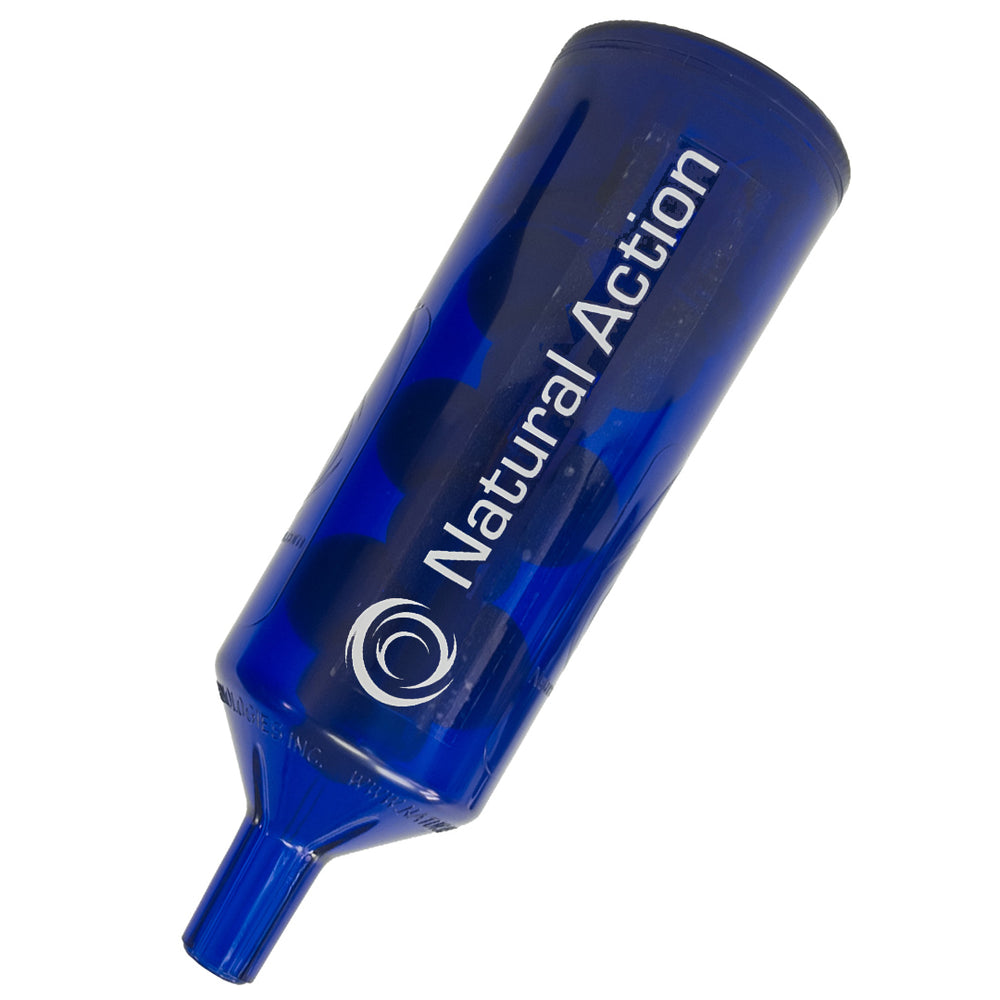
How to Install a Whole-Home Structured Water System: Complete Installation Guide
Installing a whole-home structured water system transforms your entire household water supply—from showers and sinks to laundry and outdoor faucets. While professional installation is required for warranty compliance, understanding the installation process helps you prepare your home, communicate with your plumber, and ensure optimal system placement.
This guide covers the complete installation process for whole-home structured water units like Natural Action's Whole Home Revitalizer and MagnaRay systems.
Before You Begin: What You Need to Know
Whole-home structured water units install inline on your main water line, typically where water enters your home. Unlike filtration systems, these units don't remove contaminants—they restructure water through flow dynamics and vortex motion to support smoother, more balanced water throughout your home.
Important: Installation by a Professional Certified Plumber is required, or warranty and associated water damage liability may be void. This guide helps you understand the process and prepare for installation, not replace professional service.
Step 1: Choose the Right Installation Location
The location of your structured water unit affects performance and accessibility.
Where to Install:
- Install as close as possible to your main water line entry point
- Choose a location after your water meter but before any branch lines
- Ensure the spot has adequate clearance for the unit (typically 18-24 inches of space)
- Select an indoor location when possible to protect the unit from temperature extremes
- Do not expose to direct sunlight, it will reduce the service life of the unit
For Well Water Systems: Install the unit after your pressure tank, not before it. This ensures consistent water pressure through the structuring unit.
For Homes with Existing Filtration: We would recommend the whole house filter be installed first, where the water comes into the home and then have the device installed after the whole house filter. Install filtration upstream, then the structuring unit downstream so water is both filtered and structured.
Accessibility Matters: Choose a location where you can easily access the unit if future plumbing work is needed. Leave enough room for your plumber to work comfortably during installation.
Step 2: Gather Required Tools and Materials
Your professional plumber will bring most tools, but you should have these ready:
Tools Needed:
- Pipe cutter or hacksaw
- Pipe wrench or adjustable wrench
- Teflon tape or pipe thread sealant
- Measuring tape
- Bucket (to catch residual water)
- Sandpaper or emery cloth
- Level (optional, for alignment)
Materials and Fittings:
- Shutoff valves (one for each side of the unit)
- Bypass valve (optional but recommended for maintenance access)
- Appropriate pipe adapters or couplings to match your plumbing
- The structured water unit comes with NPT fittings (typically 3/4" or 1" depending on model)
Verify Your Pipe Size: Measure your main water line diameter. Most homes use 3/4" or 1" pipes. Natural Action units come with corresponding NPT fittings that adapt to standard residential plumbing.
Step 3: Prepare for Installation Day
24 Hours Before Installation:
-
Clear the work area – Remove any items stored near your main water line. Your plumber needs at least 3 feet of clear workspace.
-
Notify household members – Water will be shut off for 1-3 hours during installation. Plan accordingly for showers, laundry, and cooking.
-
Locate your main water shutoff valve – Usually found in the basement, utility room, or garage near where the water line enters your home. Test it to ensure it turns completely.
-
Turn off your water heater – This prevents damage to the heating element when water flow stops.
On Installation Day:
Have your structured water unit unboxed and ready. Your plumber will inspect the unit before installation to verify it matches your plumbing specifications.
Step 4: Shut Off Water Supply
Your plumber will begin by shutting off the main water supply to your home.
The Process:
- Locate the main shutoff valve (typically near the water meter)
- Turn the valve clockwise until it stops completely
- Open a faucet at the lowest point in your home to drain residual water from the lines
- Open a faucet at the highest point to allow air into the system (helps with drainage)
This step prevents water from flowing while the plumber cuts into the main line.
Step 5: Cut the Main Water Line
The plumber will cut a section out of your main water line to install the structured water unit.
What Happens:
- Measure the length needed for the unit plus shutoff valves and fittings
- Mark cut points on the pipe with a marker
- Place a bucket underneath to catch any remaining water
- Use a pipe cutter to make clean, straight cuts at both marked points
- Remove the cut section of pipe
- Clean and deburr the cut ends with sandpaper to ensure smooth connections
Make sure misaligned piping and excessive side loading of the unit does not occur during installation. Proper alignment prevents stress on the unit and ensures optimal water flow.
Step 6: Install Shutoff Valves
Shutoff valves on both sides of the structured water unit allow you to isolate the system for future maintenance without shutting off water to the entire house.
Installation Steps:
- Apply Teflon tape or pipe thread sealant to the pipe threads
- Thread the shutoff valve onto the incoming water line (the side closer to your water meter)
- Hand-tighten, then use a wrench to snug it firmly (don't overtighten)
- Repeat for the outgoing side (the side leading to your home's plumbing)
- Ensure both valves are in the open position before proceeding
Optional: Install a Bypass Valve
A bypass valve lets water flow around the structured water unit if you ever need to remove it for service. While not required, it adds flexibility for future maintenance.
Step 7: Connect the Structured Water Unit
Now the plumber will connect the structured water unit inline between the shutoff valves.
Connection Process:
-
Check unit orientation – The unit can be installed in any direction. However, many installers prefer horizontal or vertical orientation for easier access and visual alignment.
-
Apply thread sealant – Wrap Teflon tape around the NPT threads on both ends of the unit (3-4 wraps in the direction of threading).
-
Thread the unit into place – Connect one end to the incoming shutoff valve, hand-tighten, then use a wrench to secure it. Repeat for the outgoing side.
-
Check alignment – Verify the unit is properly aligned with the pipe. Misalignment creates stress that can damage fittings over time.
-
Secure all connections – Tighten all fittings firmly but don't overtighten, which can crack fittings or damage threads.
For Copper Piping: If your home has copper pipes, your plumber may solder adapters onto the pipes before threading in the structured water unit. This creates a permanent, leak-free connection.
For PEX or CPVC: Your plumber will use appropriate compression fittings or threaded adapters compatible with your pipe material.
Step 8: Restore Water Flow and Check for Leaks
With the unit installed, it's time to restore water and test the system.
Step-by-Step Process:
-
Ensure all shutoff valves are open – Both the valves around the structured water unit and the main shutoff valve.
-
Slowly open the main water supply – Gently open valves during the installation process to avoid excessive fluid hammer. Turn the valve slowly to allow water to fill the pipes gradually.
-
Listen for unusual sounds – You should hear water flowing smoothly. Loud banging (water hammer) indicates the valve was opened too quickly.
-
Inspect all connections – Look carefully at every joint, fitting, and valve for signs of water leakage. Even small drips need attention.
-
Tighten if necessary – If you spot a leak, turn off the water, dry the area completely, and have your plumber tighten the connection or reapply sealant.
-
Let water run for 5-10 minutes – Open several faucets throughout your home to flush air from the lines and allow the system to stabilize.
Step 9: Test Water Flow Throughout Your Home
Once the system is leak-free, test water flow at multiple points.
Testing Checklist:
- Kitchen sink – Run hot and cold water. Flow should be strong and consistent.
- Bathroom faucets – Check all bathrooms, especially those farthest from the unit.
- Shower – Turn on the shower to verify adequate pressure.
- Washing machine – Run a quick cycle to ensure proper flow to appliances.
- Outdoor faucets – Test exterior hose bibs if they're on the same line.
What to Look For: Water pressure should feel normal. If pressure seems lower than before installation, check that all shutoff valves are fully open and that no debris is blocking the line.
Step 10: Turn Water Heater Back On
After confirming water flows properly throughout the house, restore power to your water heater.
For Electric Water Heaters: Turn the circuit breaker back on.
For Gas Water Heaters: Relight the pilot light according to manufacturer instructions.
Allow 30-60 minutes for the water heater to reach temperature before using hot water.
Step 11: Monitor the System for 24-48 Hours
The first two days after installation are critical for catching any issues.
Daily Checks:
- Inspect connections – Look for moisture or drips around fittings each morning and evening.
- Listen for unusual sounds – Banging, whistling, or hissing can indicate problems.
- Check water pressure – Ensure pressure remains consistent throughout the day.
- Monitor water quality – Note any changes in taste, clarity, or feel (structured water often feels smoother).
If you notice any leaks, unusual sounds, or pressure drops, contact your plumber immediately.
Common Mistakes to Avoid
1. Installing Without Professional Help
Many homeowners attempt DIY installation to save money. While structured water units don't require electricity or complex setup, improper plumbing connections can cause serious water damage and void your warranty. Always use a licensed plumber.
2. Installing in the Wrong Location
Installing the unit too far from the main water entry point or after branch lines means some water bypasses the unit. Install at the point of entry to ensure all water is structured.
3. Overtightening Connections
Excessive force when tightening fittings can crack the unit housing or strip threads. Hand-tighten, then use a wrench to snug the connection—no more than one additional turn.
4. Skipping Shutoff Valves
Not installing shutoff valves on both sides of the unit makes future maintenance difficult. You'll have to shut off water to the entire house just to service the unit.
5. Forgetting to Turn Off the Water Heater
Leaving the water heater on while water is shut off can damage the heating element, especially in electric models. Always turn it off before cutting water supply.
6. Installing Before Filtration
If you have a whole-home filtration system, install it upstream of the structured water unit. Structuring works best on already-filtered water.
7. Exposing the Unit to Direct Sunlight
UV exposure degrades plastic components and shortens the unit's lifespan. Always install indoors or in a shaded, protected location.
Troubleshooting Common Installation Problems
Problem: Low Water Pressure After Installation
Possible Causes:
- Shutoff valves not fully open
- Debris in the line blocking flow
- Air trapped in the system
- Unit installed backwards or in a restricted position
Solutions:
- Verify all shutoff valves are completely open
- Flush the system by running faucets for 10-15 minutes
- Check that the unit is properly aligned and not kinked or compressed
- If pressure remains low, contact your plumber to inspect for blockages
Problem: Leaking at Connections
Possible Causes:
- Insufficient thread sealant
- Cross-threaded fittings
- Damaged threads or gaskets
- Connection not tightened enough
Solutions:
- Turn off water immediately
- Dry the area completely
- Reapply Teflon tape or pipe sealant
- Carefully retighten the connection
- If leak persists, replace the fitting or gasket
Problem: Water Hammer (Loud Banging)
Possible Causes:
- Valves opened too quickly
- High water pressure
- Loose pipes
Solutions:
- Always open valves slowly to allow gradual pressure buildup
- Install a water hammer arrestor if your home has chronic hammer issues
- Secure loose pipes with clamps or brackets
- Consider a pressure-reducing valve if your home's water pressure exceeds 80 PSI
Problem: No Water Flow After Installation
Possible Causes:
- Main shutoff valve still closed
- Shutoff valves around the unit closed
- Bypass valve in bypass position
- Severe blockage in the line
Solutions:
- Double-check that all valves are in the open position
- Verify the bypass valve (if installed) is set to allow flow through the unit
- Inspect for kinked or crushed pipes
- Call your plumber if flow doesn't resume
Problem: Cloudy or Discolored Water
Possible Causes:
- Air in the lines (normal after installation)
- Sediment disturbed during pipe cutting
- Debris from new fittings
Solutions:
- Run faucets for 5-10 minutes to flush air and sediment
- Water should clear within 15-20 minutes
- If discoloration persists beyond 24 hours, contact your plumber
Problem: Unit Feels Loose or Wobbly
Possible Causes:
- Connections not fully tightened
- Misaligned pipes creating stress
- Missing support brackets
Solutions:
- Turn off water and retighten all connections
- Check pipe alignment—misalignment creates side loading that can loosen fittings over time
- Install pipe support brackets if the unit feels unstable
- Ensure the unit isn't bearing the weight of the plumbing
Maintenance After Installation
Structured water units require minimal maintenance compared to filtration systems.
Ongoing Care:
- No filter changes required – Structured water units don't use filters or consumable parts
- No electricity needed – The unit works passively as water flows through
- Annual visual inspection – Once a year, check connections for any signs of moisture or corrosion
- Clean exterior if needed – Wipe down the unit exterior with a damp cloth to remove dust
When to Call a Plumber:
- Any visible leaks or moisture around connections
- Sudden drop in water pressure
- Unusual sounds coming from the unit
- Visible damage to the housing or fittings
Pairing with Filtration Systems
Structured water units don't remove contaminants. For comprehensive water quality, pair your whole-home structured water system with filtration.
Recommended Setup:
- Whole-home filtration (installed first, at point of entry)
- Structured water unit (installed after filtration)
- Under-sink drinking water filter (optional, for additional drinking water refinement)
Most importantly, in our experience, the Aquaversa allows structured water to maintain the qualities supported by the Whole Home Revitalizer—something many filters do not do as effectively.
This combination provides both contaminant removal and water structuring throughout your home.
Final Thoughts
Installing a whole-home structured water system is a straightforward process when handled by a professional plumber. Proper location selection, careful connection, and thorough testing ensure your system performs optimally for years.
Remember: MagnaRay is a passive inline system with no electricity, no moving parts, and no routine maintenance required. Once installed correctly, your structured water system works continuously without ongoing maintenance or consumables.
Plan your installation carefully, work with a qualified plumber, and enjoy structured water at every tap in your home.