



Does Structured Water Stay Structured?
What Happens Over Time, What the Research Suggests, and What Premium Hydration Standards Require
Structured water has become one of the most discussed topics in advanced hydration, longevity communities, and premium wellness circles.
But once people understand what structured water is, a deeper question naturally follows:
Does structured water stay structured?
In other words:
If water is structured through vortexing, mineral contact, or advanced system design…
does that structure last?
Or does it disappear the moment the water sits still?
At Natural Action, we believe the hydration industry needs to treat questions like this with intelligence, not marketing language.
So here’s the responsible answer—what we know, what research suggests, and what premium hydration standards require.
The Short Answer
Structured water may not remain structured indefinitely.
Water is dynamic. It responds to temperature, environment, motion, minerals, and storage conditions. This means the characteristics associated with structured water may change over time depending on how the water is stored and handled.
The better question isn’t simply “Does it stay structured?”
The better question is:
What conditions help preserve water quality and performance?
That is where premium hydration becomes a system—not just a product.
Why Water Structure May Change Over Time
Water is not static.
Even in nature, water is constantly responding to:
- movement
- pressure
- contact with minerals
- light exposure
- temperature changes
- container materials
- electromagnetic environment
This is why water in a flowing mountain spring does not behave the same as water sitting in a plastic bottle for months.
Structured water is often inspired by the idea that motion and mineral contact influence water’s behavior.
So it is reasonable to assume that once water becomes stagnant, certain characteristics may shift.
In premium hydration, this is not a weakness.
It’s reality.
Does Water “Lose” Its Structure?
The term “lose structure” is often used in wellness communities, but it can be misleading.
Water does not become “bad” simply because it sits.
However, the qualities associated with structured water may be influenced by factors such as:
- stagnation
- container material
- exposure to heat
- storage duration
- lack of movement or flow
In other words, structured water may be best understood as a state influenced by conditions—not a permanent transformation.
This is why high-quality structured water systems focus on creating repeatable, consistent structuring conditions rather than relying on a one-time process.
What the Research Suggests
Scientific research into water structure and interfacial water exists, particularly in discussions surrounding hydrophilic surfaces and Exclusion Zone (EZ) water.
However, structured water as a consumer wellness category remains an evolving field.
There is not yet universal scientific agreement on:
- how long structured water properties persist
- which structuring methods last longer
- which storage conditions preserve structure most effectively
- whether structure behaves consistently across all water types
This is why responsible brands avoid exaggerated claims.
The science is expanding.
But the hydration industry must remain grounded.
The Most Important Factor: Storage
If there is one area where structured water enthusiasts and hydration researchers agree, it is this:
How water is stored matters.
Even outside of structured water conversations, storage affects:
- taste
- contamination risk
- freshness
- chemical stability
- mineral integrity
And in structured hydration, storage may influence whether water maintains the qualities associated with structure.
Best Practices: How to Store Structured Water Properly
If you want to preserve premium water quality, here are the standards we recommend.
1. Use Glass or Stainless Steel Whenever Possible
Glass is one of the most trusted materials for water storage.
It is neutral, stable, and does not introduce chemical taste.
You can also choose a high quality stainless steel bottle.
For premium hydration, glass is a benchmark material.
2. Avoid Low-Quality Plastic Bottles
Plastic is not inherently evil, but low-grade plastic is one of the most common compromises in water quality.
Plastic can:
- affect taste
- degrade over time
- become unstable when exposed to heat
- lower the “premium standard” of the hydration experience
If hydration is foundational, the container should reflect that.
3. Store in a Cool Environment
Heat changes water behavior.
Heat also accelerates chemical reactions and can degrade storage materials.
For best results, keep structured water away from direct sunlight and high heat.
4. Drink It Fresh
The highest hydration standard is achieved when water is consumed relatively soon after it has been structured.
This is why premium hydration is best treated as a daily routine—not something you store for weeks.
Freshness matters.
5. Movement Matters
Structured water is often inspired by natural flow.
Water that sits still for long periods may not maintain the same characteristics as water that is frequently refreshed or moved.
You don’t need to overcomplicate this.
But the principle is simple:
Water performs best when it is treated as a living daily input.
Can You Re-Structure Water After It Sits?
Many people ask:
If structured water sits for a while, can it be structured again?
The answer depends on the method.
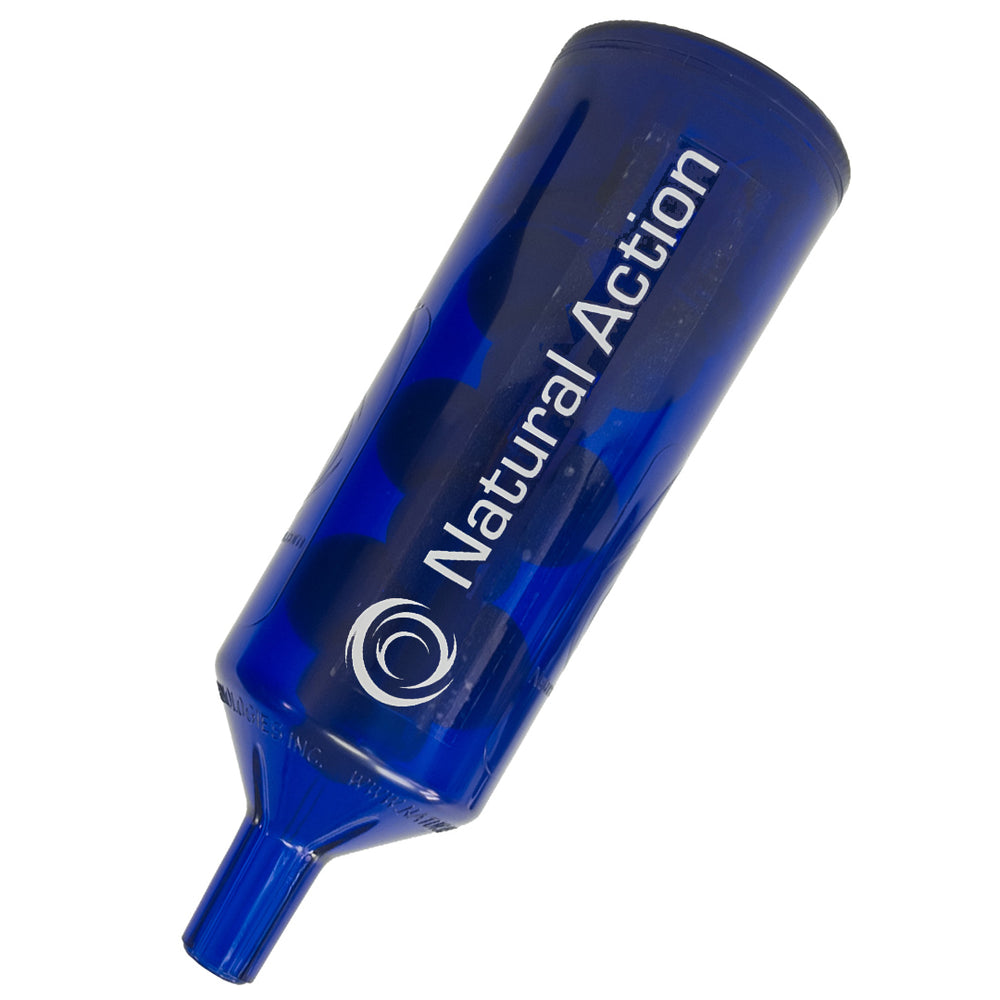
Some structured water methods—such as vortexing or flow-based structuring—are repeatable. Our Portable Revitalizer is a great tool to have on hand.
This is why high-end structured water systems are designed to deliver consistent output on demand, rather than relying on a single structuring event.
Premium hydration is repeatable hydration.
What This Means for Everyday Consumers
The structured water category is often misunderstood because people treat it like a “one-time upgrade.”
But structured hydration is more accurately understood as a daily standard.
Not a one-time event.
If your hydration routine includes:
- clean filtration
- mineral awareness
- structured flow design
- high-quality storage
Then you’re not just buying structured water.
You’re building a hydration system.
And systems create results.
The Natural Action Standard
At Natural Action, we view structured hydration as part of a premium approach to wellness.
We don’t treat hydration like a trend.
We treat it like a foundation.
That means we prioritize:
- filtration as baseline
- consistent output
- mineral integrity
- system-level standards
- premium materials and storage practices
Because the goal is not hype.
The goal is performance-level hydration that fits into real life.
Final Thoughts: Does Structured Water Stay Structured?
Structured water is a dynamic concept.
Water responds to its environment.
So while structured water may not remain “structured” indefinitely under all conditions, the most important takeaway is this:
Premium hydration is created through standards.
Not through one-time claims.
If you want the best structured hydration experience, focus on:
- clean filtration
- reliable structuring methods
- high-quality storage
- drinking water fresh and consistently
That is how elite hydration is built
Hydration is the most repeated input in daily life.
If you’re ready to upgrade your standard and build a premium hydration routine:
Shop Natural Action Structured Water Systems
Read The Definitive Guide to Structured Water
FAQ
Does structured water stay structured over time?
Structured water may not remain structured indefinitely. Water is dynamic and may change based on storage conditions, temperature, container materials, and time.
Does structured water lose its benefits if it sits?
Water quality and characteristics may shift over time depending on how it is stored. For the highest standard, structured water is best consumed fresh.
How should structured water be stored?
For premium hydration, structured water is best stored in stainless steel or glass, kept cool, and consumed relatively soon after structuring.
Can you re-structure water after it sits?
Some methods, such as vortexing or flow-based structuring, are repeatable. High-quality systems are designed for consistent structuring output.
Is structured water still safe if it sits?
Yes, structured water is generally safe, but overall water quality depends on filtration, cleanliness, and storage conditions.