



Chlorine in Drinking Water: What It Does and Why Water Structure Matters
Clean drinking water is essential for every home. Municipal water systems use disinfectants like chlorine to eliminate bacteria and harmful microorganisms, helping ensure the water reaching our taps is safe.
While chlorine plays an important role in water safety, many homeowners notice changes in taste, smell, and overall water quality once water travels through treatment plants and plumbing systems.
This has led to growing interest in how water moves through pipes — and whether restoring natural water flow can improve everyday water experiences.
Why Chlorine Is Added to Drinking Water
Chlorine has been used in public water treatment systems for over 100 years. Its primary job is to disinfect water and prevent the spread of waterborne diseases.
Municipal water facilities add chlorine to:
-
kill bacteria and viruses
-
prevent microbial growth inside pipelines
-
maintain safe drinking water during distribution
Without disinfectants like chlorine, water systems would face much higher risks of contamination.
Because water travels many miles through underground pipes before reaching homes, a disinfectant residual must remain in the water to keep it safe during the journey.
Common Concerns About Chlorine in Tap Water
Although chlorine helps protect public health, many people notice that chlorinated water behaves differently from natural spring water.
Some common complaints include:
-
strong chlorine taste in tap water
-
chemical or “pool-like” odor
-
dry skin or hair after showering
-
mineral buildup on fixtures and appliances
These issues are not always caused by chlorine alone. They often result from the entire modern water treatment and distribution process, including pressure pumping, chemical treatment, and long straight pipelines.
How to test your water quality
How Water Flows in Nature
In nature, water rarely moves in straight lines.
Natural water flows through dynamic patterns such as:
-
winding rivers
-
spiral currents
-
cascading waterfalls
-
vortex motion in streams
These natural flow patterns constantly mix, aerate, and energize water as it moves across rocks and minerals.
By the time water emerges from a natural spring, it has typically traveled through complex geological pathways and swirling currents that shape how it behaves.
Read How Water Moves in Nature
What Happens to Water Inside Plumbing Systems
Once water enters modern infrastructure, the environment changes dramatically.
Inside treatment plants and plumbing systems, water experiences:
-
chemical treatment processes
-
mechanical pumping
-
straight pipelines
-
pressure regulation systems
While these systems are extremely effective for sanitation and distribution, they remove many of the natural flow patterns water experiences in the environment.
Instead of spiraling or cascading, water typically moves in straight, pressurized pathways.
What Is Structured Water?
Structured water refers to the way water molecules organize themselves through hydrogen bonding.
Water molecules constantly form and break temporary clusters depending on their environment. Factors that can influence these structures include:
-
temperature
-
mineral content
-
pressure
-
movement and turbulence
In natural environments where water moves through vortex flows and mineral-rich pathways, the molecular arrangement of water may behave differently than water moving through straight pipelines.
Scientists continue studying these properties as research into water structure and flow dynamics evolves.
Read The Definitive Guide to Structured Water
How Vortex Flow Technology Works
Some water technologies aim to reintroduce natural movement patterns into plumbing systems.
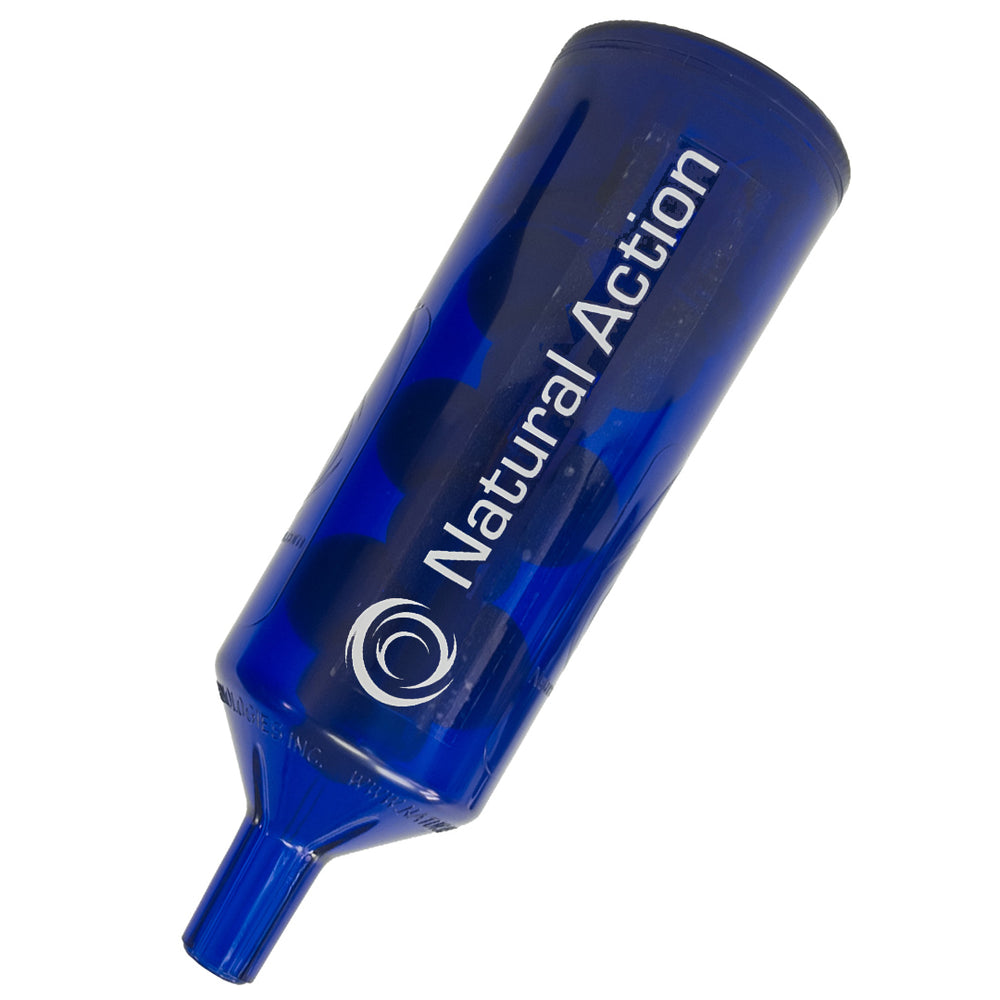
Natural Action systems use precision vortex flow engineering to guide water through spiral motion as it travels through pipes.
Instead of water moving only in straight lines, the system creates controlled swirling patterns similar to those found in nature.
This approach does not rely on chemicals, filters, or electricity. It simply changes how water moves through the plumbing system.
Benefits of Restoring Natural Water Movement
When water flows through vortex motion inside a plumbing system, many homeowners report improvements in their everyday water experience.
Common observations include:
-
smoother tasting drinking water
-
improved shower comfort
-
revitalized water throughout the home
-
reduced perception of harsh or flat-tasting tap water
These improvements come from flow dynamics, not from adding substances to the water.
Explore The Benefits of Structured Water
Bringing Natural Water Motion Back Into the Home
Nature has shaped the movement of water for millions of years through spirals, streams, and cascading currents.
Modern water infrastructure focuses on safety and efficiency, but it often removes those natural movement patterns.
Technologies like Natural Action aim to restore the natural flow dynamics inside modern plumbing systems, helping water move more like it does in the natural environment.
Final Thoughts
Chlorine plays a critical role in protecting public water supplies. At the same time, the way water moves through treatment systems and pipes can influence how it tastes and feels when it reaches your home.
By combining safe municipal treatment with improved water flow dynamics, homeowners can explore new ways to enhance their daily water experience.