



When Should Babies Start Drinking Water? A Pediatric, Evidence-Based Guide (Plus a Clear Look at “Structured Water”)
Water feels like the most natural thing in the world to offer a baby — but in the first months of life, the timing and the amount matter a lot.
The big rule: under 6 months, babies usually shouldn’t drink water
Major pediatric guidance consistently emphasizes that breast milk and/or properly prepared infant formula provide all the fluid a healthy baby needs for roughly the first 6 months. Introducing water too early can:
- Displace calories and nutrients (tiny stomachs fill quickly)
- Increase the risk of low sodium (hyponatremia), which can be dangerous
The American Academy of Pediatrics’ guidance for young children’s beverages aligns with exclusive milk feeding early on and supports introducing small amounts of water later when solids begin. HealthyChildren.org
WHO also promotes exclusive breastfeeding for the first 6 months (with appropriate support and exceptions under medical guidance). World Health Organization
Why “too much water” can be dangerous for young infants
Infants can develop water intoxication (dilutional hyponatremia), and severe cases can cause seizures. This isn’t just theoretical: both CDC and peer-reviewed pediatric literature describe hyponatremic seizures in infants associated with excess water intake. CDC+1
Important safety note: Never “stretch” formula by adding extra water. That can reduce calories and electrolytes and raise risk.
Around 6 months: water can be introduced (small amounts)
A common evidence-based milestone is around 6 months, typically when complementary foods begin. At that point, small sips of water can help babies practice using cups and rinsing food from the mouth — but milk (breast milk or formula) remains the primary hydration source.
A practical, widely used approach:
- Offer a few sips from an open cup or sippy cup with meals
- Keep it modest (think “practice,” not “replace feedings”)
Many pediatric resources summarize this transition similarly, and Cleveland Clinic specifically reinforces no water before 6 months and then gradual introduction afterward. Cleveland Clinic
The UK NHS also encourages moving toward cups and gives baby-specific drink guidance (with some nuance in hot weather for formula-fed infants). nhs.uk+1
After 12 months: water becomes a main “everyday” drink
Once a child is about 1 year old and eating a broader diet, water becomes a normal, primary beverage alongside milk (depending on your pediatric guidance and your child’s diet).
AAP-aligned beverage guidance for young children emphasizes water as a healthy default choice as kids grow. AAP+1
Special situations: heat, constipation, illness
There are exceptions and “it depends” moments:
- Hot weather: Some guidance (notably NHS-related sources) notes that formula-fed babies under 6 months may sometimes be offered small amounts of cooled boiled water in hot weather, but this is not routine and doesn’t come with universal amounts — so it’s best handled with your clinician’s advice. Full Fact+1
- Vomiting/diarrhea/illness: Don’t improvise with plain water. Use clinician-recommended approaches (often oral rehydration solutions) and seek medical advice promptly for young infants.
- Constipation: Sometimes small water amounts are discussed for older babies; for younger infants, get pediatric guidance first.
If your baby is under 3 months and feeding or wet diapers change noticeably, treat it as a call-your-pediatrician-now situation.
Where “Structured Water” Fits In
- Hydration is about total fluid intake and electrolyte balance, especially in babies.
- For infants, the safest hydration sources are breast milk and properly prepared formula, and later small amounts of filtered, structured water.
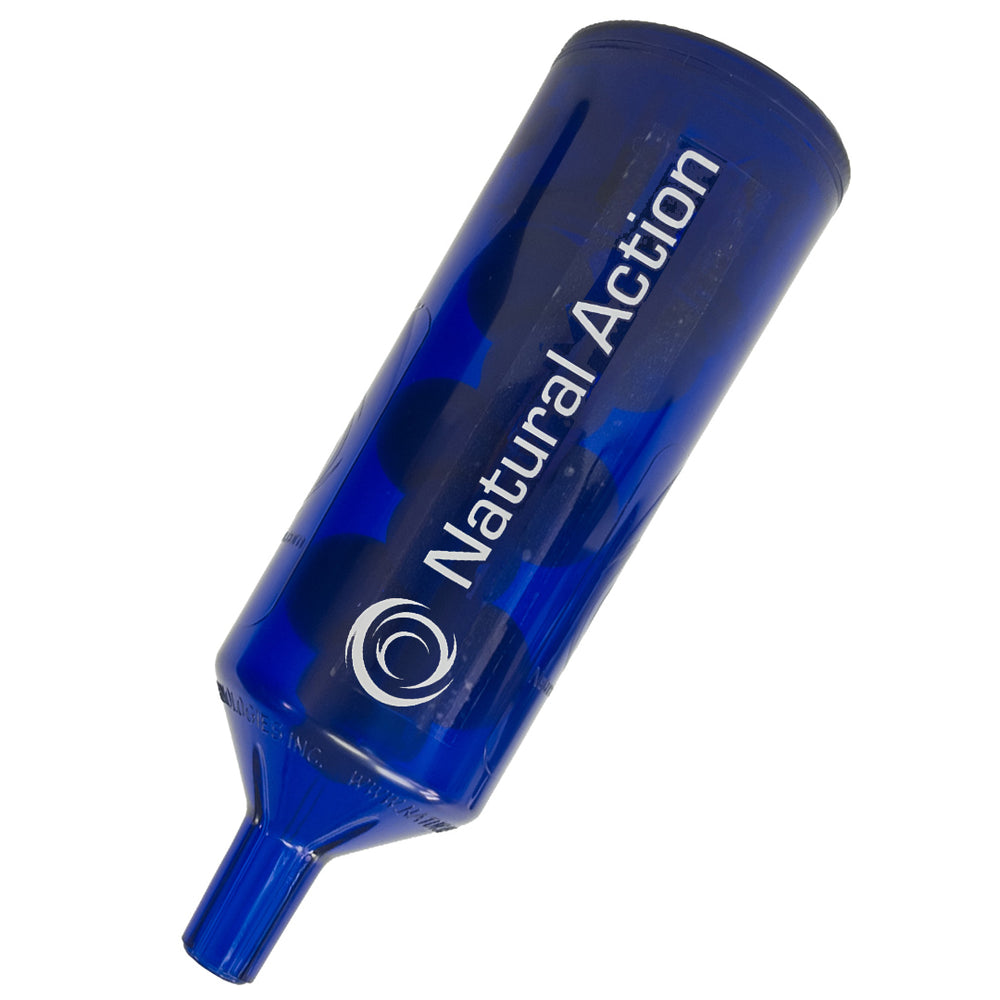
- Natural Action’s “structured water” with Under Sink Filtration is simply clean and revitalized water— because water quality matters for families.
Read The Definitive Guide to Structured Water
Natural Action structured water is the best high-quality hydration option for the family, especially for older children and adults.
For babies specifically, timing and amounts first, then present filtered, structured water.
A parent-friendly quick guide
- 0–6 months: No plain water (except what’s used to prepare formula correctly). HealthyChildren.org+1
- ~6–12 months: A few sips of water with solids; milk feeds still do the real hydration work. HealthyChildren.org+1
- 12+ months: Water becomes a go-to drink; keep sugary drinks minimal. AAP+1
References
- AAP (HealthyChildren.org) beverage guidance HealthyChildren.org
- WHO infant feeding guidance World Health Organization
- CDC MMWR report on hyponatremic seizures from water intoxication CDC
- Pediatrics case-based evidence on hyponatremic seizures secondary to water intoxication AAP Publications
- Cleveland Clinic explainer on why babies shouldn’t have water before 6 months Cleveland Clinic


