



MultiPure vs Reverse Osmosis: Which Water Filtration System Is Right for You?
If you’re upgrading your water, one of the first decisions you’ll face is:
Should you choose MultiPure or Reverse Osmosis?
Both are powerful filtration systems.
Both improve water quality.
But they work very differently—and choosing the right one depends on your priorities.
Let’s break it down simply.
What Does a Water Filtration System Actually Do?
Before comparing systems, it’s important to understand:
Filtration removes what shouldn’t be in your water
That includes:
- Chlorine
- Chemicals
- Contaminants
- Unwanted taste and odor
But filtration doesn’t address everything.
(It doesn’t restore how water behaves—but we’ll come back to that.)
What Is MultiPure Filtration?
MultiPure systems use high-quality carbon block filtration.
This type of filtration is designed to:
- Reduce chlorine and chemical contaminants
- Improve taste and smell
- Maintain beneficial mineral content
Benefits of MultiPure
- Clean, great-tasting water
- Retains natural mineral balance
- Simple and reliable system
- Strong flow rate (no slow trickle)
Considerations
- Does not remove as many dissolved solids as RO
- Focuses on filtration—not restructuring water
What Is Reverse Osmosis (RO)?
Reverse Osmosis is a more advanced filtration method.
It pushes water through a semi-permeable membrane, removing:
- Dissolved solids
- Heavy metals
- Many contaminants at a microscopic level
Benefits of Reverse Osmosis
- Extremely purified water
- Removes a wide range of contaminants
- High level of filtration control
Considerations
- Removes both contaminants AND minerals
- Can produce slower water flow
- Often requires storage tank
- Water can feel “flat” to some users
MultiPure vs RO — Quick Comparison
|
Feature |
MultiPure |
Reverse Osmosis |
|
Filtration Type |
Carbon block |
Membrane |
|
Removes Chemicals |
✔ |
✔ |
|
Removes Dissolved Solids |
Limited |
✔ |
|
Retains Minerals |
✔ |
✖ |
|
Flow Rate |
Strong |
Slower |
|
Taste Profile |
Full, natural |
Very clean, lighter |
Which One Should You Choose?
It depends on your goal:Choose MultiPure if you want:
- Clean, natural-tasting water
- Mineral retention
- Simplicity
View MultiPure Drinking Water Solution
Choose Reverse Osmosis if you want:
- Maximum purification
- Removal of dissolved solids
- Highly controlled filtration
View Our Reverse Osmosis System
The Missing Piece Most People Overlook
Here’s something rarely discussed:
Even after filtration, water is still:
- Moving through straight pipes
- Under pressure
- Lacking natural flow patterns
In other words:
Clean—but not complete
Why Structure Still Matters
In nature, water becomes what it is through:
- Movement
- Flow
- Vortex patterns
Filtration doesn’t restore this.
That’s why many people combine:
Filtration (MultiPure or RO)
Natural flow structuring
Read The Definitive Guide to Structured Water
The Ideal Kitchen Water Setup
The most complete approach looks like this:
- Filtration system (MultiPure or RO)
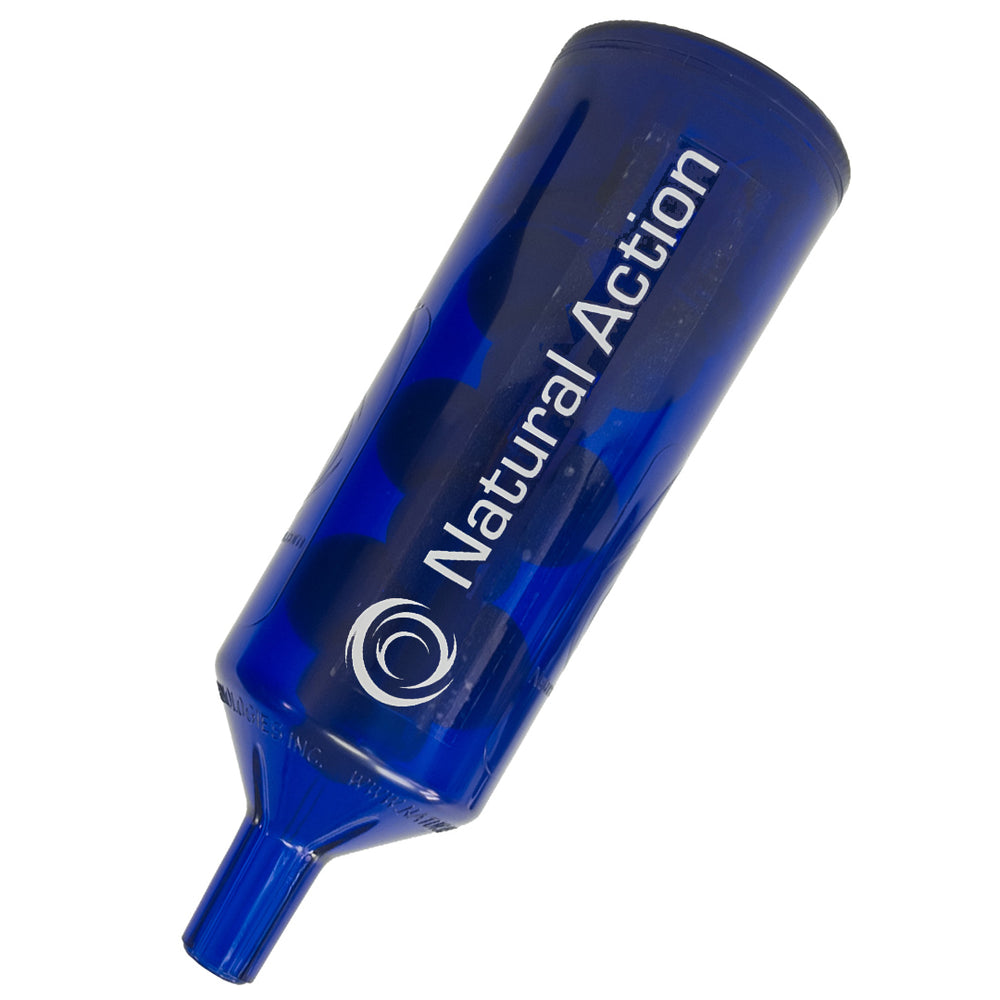
- Flow-form structuring system (Natural Action)
This gives you:
- Clean water
- Balanced water
- Naturally behaving water
What You’ll Notice
With both filtration and structure, many users report:
- Smoother taste
- More satisfying hydration
- Better cooking experience
- Cleaner rinsing
Where This Fits In Your Home
This setup is best implemented:
Under your sink
At your main kitchen water source
Because this is where water matters most.
Final Thought
Filtration makes water safe.
But restoring natural flow helps make water feel complete.
Find Your Ideal Setup
- Explore MultiPure filtration
- Compare Reverse Osmosis options
- Add natural flow structuring
Start with your kitchen—and build from there.
Q: What’s the difference between MultiPure and Reverse Osmosis?
A: Both improve water quality, but they work differently. MultiPure uses carbon block filtration, while Reverse Osmosis uses a membrane for deeper purification.
Q: What does a water filtration system actually do?
A: Filtration removes what should not be in your water—like chlorine, chemicals, contaminants, and unwanted taste or odor.
Q: What is MultiPure filtration?
A: MultiPure is a high-quality carbon block filtration system designed to reduce contaminants while keeping the water’s natural mineral balance.
Q: What are the benefits of MultiPure?
A: Many people choose MultiPure for clean, great-tasting water, mineral retention, strong flow rate, and a simple, reliable setup.
Q: What is Reverse Osmosis?
A: Reverse Osmosis is an advanced filtration system that pushes water through a semi-permeable membrane to remove dissolved solids and a wide range of contaminants.
Q: What are the benefits of Reverse Osmosis?
A: RO is ideal for maximum purification, high contaminant removal, and more controlled filtration.
Q: Does Reverse Osmosis remove minerals too?
A: Yes. RO removes both contaminants and minerals, which is why some people say the water tastes or feels flatter. Our RO system has a mineral cartridge to replace the minerals.
Q: Which system has the better flow rate?
A: MultiPure usually provides a stronger, more natural flow, while RO systems often flow more slowly and may require a storage tank.
Q: Which one should I choose?
A: Choose MultiPure if you want clean, natural-tasting water with minerals intact. Choose RO if your top priority is maximum purification and dissolved solid removal.
Q: Is filtration the whole solution?
A: Not quite. Filtration cleans water, but it does not restore how water naturally moves and behaves.
Q: What’s the missing piece after filtration?
A: Natural flow. Even filtered water still moves through straight pipes under pressure, without the dynamic movement found in nature.
Q: Why does water structure matter?
A: Structure affects how water feels, tastes, and interacts with your body, food, and daily use.
Q: What is the ideal kitchen water setup?
A: The most complete setup combines filtration—either MultiPure or RO—with Natural Action flow-form structuring.
Q: What can I expect from combining filtration and structuring?
A: Many people report smoother taste, more satisfying hydration, better cooking interaction, and cleaner rinsing.
Q: Where should this setup go in the home?
A: Under the sink is usually the best place to start, because your kitchen is where water matters most every day.


