



How to Choose a Structured Water System for Your Home
Full Buying Guide
Structured water systems restore the molecular organization water loses in modern plumbing. But the category is crowded with devices ranging from handheld wands to whole-home installations, each using different methods and making different promises. Some work through vortex motion. Others rely on magnets, crystals, or electromagnetic fields. A few require electricity and ongoing maintenance. Many do nothing at all.
If you're evaluating structured water systems, you need a framework that separates engineering from marketing. This guide walks through the criteria that actually matter—so you can choose a system that delivers consistent results instead of temporary placebo effects.
What Structured Water Systems Actually Do
Structured water devices reorganize the hydrogen bonding arrangement in water molecules. In nature, water moves through spirals, over rocks, and under pressure—creating flow patterns that influence molecular alignment. Tap water, by contrast, travels through straight pipes under uniform pressure, losing much of this natural structure.
Reintroducing vortex motion, turbulence, or dynamic flow can restore some of water's natural molecular coherence. Research from scientists like Gerald Pollack at the University of Washington suggests that water near hydrophilic surfaces forms organized layers with unique properties—sometimes called exclusion zone water or fourth-phase water. While the full physiological impact remains under investigation, thousands of users report improved taste, smoother feel, and better hydration.
Not all structured water devices are created equal. Some use passive flow geometry. Others require power or consumable parts. The best systems mimic nature's methods without adding chemicals, electricity, or ongoing costs.
Criterion 1: Flow Technology and Design Principle
The core question is how the device actually structures water. There are several approaches:
Vortex-based systems create spiral flow patterns as water passes through internal chambers. This mimics how water moves in rivers and streams—constantly turning, folding, and reorganizing. Vortex devices typically use double-helix or cycloid geometries that force water into controlled turbulence. Natural Action's systems use this principle, with proprietary flow-form chambers designed to replicate natural vortex motion without electricity or moving parts.
Magnetic systems expose water to magnetic fields, which proponents claim influences hydrogen bonding. The science here is less established, and results vary widely depending on field strength and exposure time.
Electromagnetic or frequency-based devices use energy fields or vibrations to influence water structure. These often require power and may involve proprietary technology that's difficult to verify.
Manual vortex devices like handheld wands or pour-through funnels require you to swirl water yourself. They're inexpensive but labor-intensive and only structure small volumes at a time.
The most effective systems use passive vortex flow—no electricity, no effort, and consistent output every time water flows through.
Criterion 2: Installation Type and Coverage Area
Structured water systems come in different form factors, each suited to specific use cases:
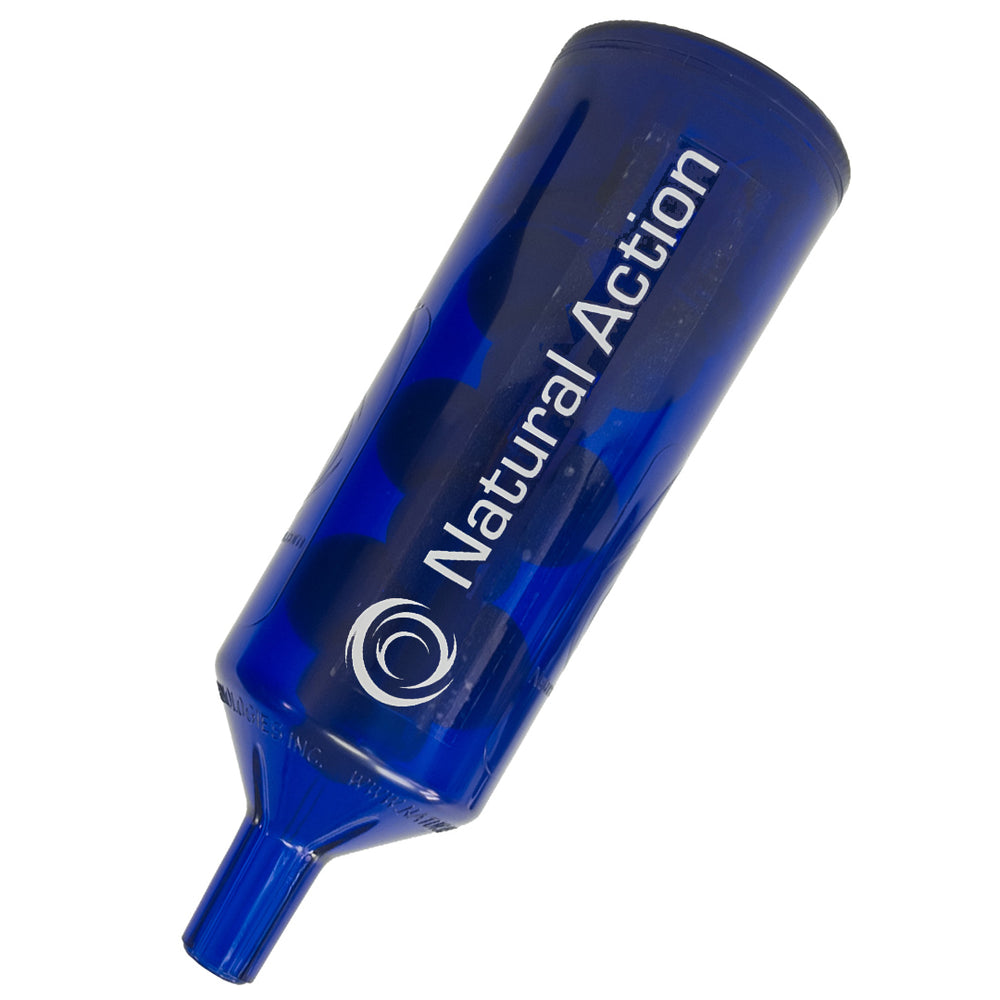
Portable units attach to bottles or pitchers, allowing you to structure water on demand. These are ideal for travel, gym use, or testing structured water before committing to a larger system. Natural Action's Portable Revitalizer costs around $279 and requires no installation—you pour water through it and drink immediately.
Under-sink units install on your kitchen drinking water line, structuring water at the point of use. These are perfect for households focused on drinking water quality. They typically range from $599 to $1,099 depending on whether filtration is included.
Shower unit attach to your shower line, reducing chlorine exposure and improving water feel on skin and hair. These cost around $399 and are popular with people dealing with dry skin, eczema, or chlorine sensitivity.
Whole-home systems install at your main water line, structuring all water entering your house—showers, faucets, laundry, garden hoses, everything. These range from $1,499 to $2,999 depending on flow capacity and technology. Natural Action's MagnaRay Advanced represents the high end of this category.
Garden and pool units are specialized systems for outdoor water use, improving plant growth and reducing chemical needs in pools. These typically cost $399 to $2,400 depending on scale.
Choose based on where you want structured water most. If you're just starting, a portable unit lets you experience the difference without major investment. If you want comprehensive coverage, a whole-home system is the most efficient long-term solution.
Criterion 3: Material Quality and Durability
Structured water devices should be built to last. The materials matter because water flows through them constantly—sometimes for decades.
Look for food-grade BPA free virgin plastic, stainless steel, high-quality polymers, or medical-grade materials. Avoid systems made from materials that could leach into water over time.
Natural Action uses stainless steel and durable BPA free virgin plastic and polymers in its systems, with no consumable parts that need replacement. The MagnaRay line includes rare-earth magnets and precision-engineered chambers built for lifetime use.
Check whether the device has moving parts. Systems with mechanical components or electronic elements will eventually fail. Passive flow-based systems have no moving parts and require zero maintenance.
Criterion 4: Filtration Compatibility
Structured water systems do not filter water. They reorganize molecular structure, but they don't remove contaminants like chlorine, lead, or microplastics.
If your tap water contains contaminants, you'll need both filtration and structuring. The sequence matters: filter first, then structure. Filtration removes impurities. Structuring restores molecular coherence after filtration strips water of its natural properties.
Natural Action offers bundled systems that combine under-sink filtration with structured water units. The Sink Revitalizer with Filtration pairs a Multipure carbon block filter with a vortex structuring unit for comprehensive water quality. Whole-home systems can be installed after whole-house filters or water softeners to structure already-clean water.
If you already have a reverse osmosis system, you can add a structuring unit after the RO membrane. This is important because RO water is demineralized and has lost its natural structure—restructuring it improves taste and hydration feel.
Criterion 5: Power Requirements and Maintenance
The best structured water systems require no electricity and no ongoing maintenance.
Devices that need power introduce failure points—batteries die, circuits fail, and you're left with an expensive paperweight. Passive vortex systems work purely through flow dynamics. Water enters, passes through the geometry, and exits structured. No power. No filters to replace. No scheduled maintenance.
Natural Action's entire product line is passive. Install once, use indefinitely. The only maintenance is occasional cleaning if mineral buildup occurs in hard water areas—but even that's rare because structured water naturally reduces scale formation.
Avoid systems with consumable parts, UV lights, or electronic components unless you're prepared for ongoing costs and eventual replacement.
Criterion 6: Warranty and Manufacturer Support
A strong warranty signals manufacturer confidence. Structured water systems should last decades, and the warranty should reflect that.
Natural Action offers a 10 year warranty on most systems when installed by a licensed plumber. That's unusual in this category and reflects the durability of passive vortex technology.
Check whether the company is U.S.-based with accessible customer support. If something goes wrong, you want responsive service and replacement parts availability.
Avoid brands with short warranties (under 5 years) or unclear support policies. If a manufacturer won't stand behind their product long-term, that's a red flag.
Criterion 7: Price and Long-Term Value
Structured water systems range from under $300 for portable units to over $3,000 for advanced whole-home systems.
Portable units ($279) are the lowest entry point. They're ideal for testing structured water without major commitment.
Under-sink systems ($599–$1,399) provide daily drinking water structuring. Add filtration and the price increases, but you get comprehensive water quality in one install.
Whole-home systems ($1,499–$2,999) are the most expensive upfront but deliver the best long-term value if you want structured water everywhere. Divide the cost over 20+ years of use and it's pennies per day.
Compare total cost of ownership. Systems with no filters to replace and no electricity costs save money over time. A $2,999 whole-home system with lifetime warranty and zero maintenance costs less over 10 years than a $500 countertop device that needs filter replacements every 6 months.
Natural Action's systems fall in the mid-to-high price range, but the combination of lifetime warranty, U.S. manufacturing, and zero maintenance makes them a strong value proposition.
Criterion 8: Scientific Backing and Transparency
Structured water is a category with limited mainstream scientific validation. Most research focuses on exclusion zone water and hydrogen bonding behavior, not specific devices.
Look for manufacturers who explain their technology clearly without making medical claims. Avoid systems marketed as curing diseases or promising miraculous health transformations. Those are red flags.
Natural Action references Viktor Schauberger's work on vortex flow dynamics and Gerald Pollack's research on water structure. They explain how vortex motion influences molecular organization without overpromising results. That's the right approach—grounded in fluid dynamics and biophysics, not pseudoscience.
Ask whether the company provides crystallography images or third-party testing. Natural Action publishes water crystal photography showing molecular differences before and after structuring. While this isn't peer-reviewed proof, it's more transparent than brands offering zero evidence.
How Natural Action Meets These Criteria
Natural Action's product line spans portable units to whole-home systems, all using passive vortex flow technology. Here's how they stack up:
Flow technology: Proprietary double-helix vortex chambers that mimic natural water movement. No electricity, no moving parts.
Installation options: Portable ($279), shower ($399), under-sink ($599–$1,399), garden ($399), pool ($2,400), and whole-home ($1,499–$2,999). You can structure water at one point or throughout your entire property.
Materials: Food-grade BPA free virgin plastic, stainless steel and durable polymers. Built for decades of use.
Filtration compatibility: Designed to work after filtration systems. Natural Action offers bundled systems combining Multipure carbon block filters and RO systems with vortex structuring units.
Power and maintenance: Zero electricity. Zero filter replacements. Zero ongoing costs.
Warranty: 10 year warranty on most systems when professionally installed.
Price: Mid-to-high range, but strong long-term value given durability and zero maintenance.
Transparency: Clear explanations of vortex flow dynamics. Published crystallography. No medical claims.
If you want a system that checks every box—proven flow technology, comprehensive coverage options, lifetime durability, and U.S.-based support—Natural Action is the benchmark.
Common Mistakes When Buying Structured Water Systems
Mistake 1: Choosing based on price alone. The cheapest option usually lacks durability or uses unproven technology. A $50 magnetic wand won't deliver the same results as a properly engineered vortex system.
Mistake 2: Ignoring filtration needs. Structured water doesn't remove contaminants. If your tap water has chlorine, lead, or other impurities, you need filtration first.
Mistake 3: Buying a system that requires ongoing costs.Devices with filters, UV lights, or electronic components add up over time. Passive systems cost more upfront but save money long-term.
Mistake 4: Falling for medical claims. Structured water may improve hydration and taste, but it's not a cure for disease. Avoid brands making health promises they can't substantiate.
Mistake 5: Choosing the wrong installation type. A portable unit won't structure your shower water. A whole-home system is overkill if you only care about drinking water. Match the system to your actual needs.
Final Recommendation
If you're serious about structured water, start with a portable unit to experience the difference firsthand. Natural Action's Portable Revitalizer costs $279 and requires zero installation. Use it for a few weeks. If you notice improved taste, smoother feel, and better hydration, upgrade to a larger system.
For drinking water, the Sink Revitalizer with Filtration ($1,099) combines contaminant removal with vortex structuring. It's the most complete under-sink solution available.
For whole-home coverage, the Whole Home Revitalizer ($1,499) or MagnaRay Advanced ($2,999) structures water at every tap. Install once, use for decades, and never worry about water quality again.
Structured water isn't a gimmick, but it's not magic either. It's applied fluid dynamics—reintroducing the flow patterns water loses in modern plumbing. Choose a system built on sound engineering, backed by a strong warranty, and designed for long-term use. That's how you get real results instead of expensive disappointment.
What to Look For: Quick Checklist
Passive vortex flow technology (no electricity, no moving parts)
Food-grade materials (BPA virgin plastic, stainless steel or medical-grade polymers)
Lifetime or long-term warranty (10+ years minimum)
Filtration compatibility (works after RO, carbon filters, or softeners)
Zero ongoing maintenance (no filters to replace, no consumables)
Clear installation requirements (DIY-friendly or professional install specified)
Transparent technology explanation (no pseudoscience or medical claims)
U.S.-based support (accessible customer service and replacement parts)
If a system checks all these boxes, it's built to deliver long-term value. If it misses more than two, keep looking.


