



Graphene oxide has made its way into headlines over the past few years, and for good reason. It’s a highly engineered nanomaterial with unique electrical, mechanical, and chemical properties. It’s used in electronics, batteries, biomedical applications, filtration membranes, textiles, coatings, and countless industrial processes. As production increases, so does the chance of graphene oxide entering wastewater systems and eventually the water that reaches homes.
Most people have never heard of graphene oxide, let alone considered how it might interact with their body. The research paints a complex picture. Studies show clear red flags, especially at higher concentrations, and researchers repeatedly stress the need for caution until long-term exposure is better understood.
This blog will break down what graphene oxide is, why it matters, what the research actually says, and the steps you can take to protect your home using Natural Action filtration and water revitalization technology.
What Exactly Is Graphene Oxide?
Graphene oxide is a single-layer sheet of carbon atoms bonded in a hexagonal pattern, modified with oxygen groups that make it dispersible in water. This combination gives it extraordinary conductivity and reactivity, which is why industries use it so heavily.
The problem is simple. Once a material this reactive enters the environment, it behaves very differently than traditional contaminants. Its nano-scale size helps it stay suspended in water for long periods, interact with minerals and organic compounds, bind with metals, and move through biological systems more easily than larger particles.
Municipal treatment systems were never designed to detect or remove engineered nanomaterials, which means graphene oxide can pass through unnoticed.
What the Research Says About Graphene Oxide Exposure
Three major areas of concern come up repeatedly in the scientific literature: oxidative stress, membrane damage, and cellular disruption.
1. Oxidative Stress and Inflammation
A detailed review published through PubMed Central highlights that graphene oxide can induce oxidative stress inside cells, disrupt redox balance, and increase the production of reactive oxygen species. These stresses can interfere with normal cell metabolism and trigger inflammatory pathways. The review also notes potential mitochondrial dysfunction and DNA damage at higher concentrations
Why does this matter? Mitochondria are incredibly sensitive to oxidative stress. When they’re overloaded, energy production drops and inflammation rises. That biology connects directly to fatigue, brain fog, and slower recovery.
2. Membrane Damage and Cellular Irritation
AZoNano’s analysis explains that graphene oxide’s thin, sharp-edged sheets can physically disturb cell membranes. Its reactive surface chemistry makes it more likely to bond with biological molecules in ways that may not be beneficial. The article also points out that graphene oxide can cross biological barriers due to its nano-scale size
This is what sets graphene oxide apart from traditional contaminants. Its size and reactivity let it interact with the body in ways larger particles cannot.
3. Environmental Persistence and Transformation
A 2023 MDPI Processes paper showed how graphene oxide behaves in water systems. It can bind to minerals, adsorb heavy metals, interact with microbial communities, and create complex chemical combinations that alter local water chemistry. The paper emphasizes that graphene oxide’s surface chemistry and stability in water make it difficult to remove through conventional filtration
This means that even if concentrations are low, graphene oxide can persist long enough to become part of the household water supply.
Why This Matters for Your Home Water
Municipal utilities do their best with the tools they have, but traditional water treatment is built around removing sediment, microbes, chlorine, metals, and common chemical residues. It’s not designed for engineered nano-materials, advanced composites, or reactive carbon-based particles.
That leaves homeowners with two choices.
Ignore emerging contaminants and hope the system catches up, or take water quality into your own hands.
Graphene oxide is not something to panic about. But it is something worth respecting. The science consistently shows clear biological interactions that can stress the body. And because graphene oxide is only one of many modern contaminants, reducing overall exposure becomes a smart long-term strategy.
That’s where Natural Action comes in.
How Natural Action Helps Reduce Exposure to Graphene Oxide and Other Modern Contaminants
Natural Action systems do two things extremely well.
1. Reduce the Total Contaminant Load Through Filtration
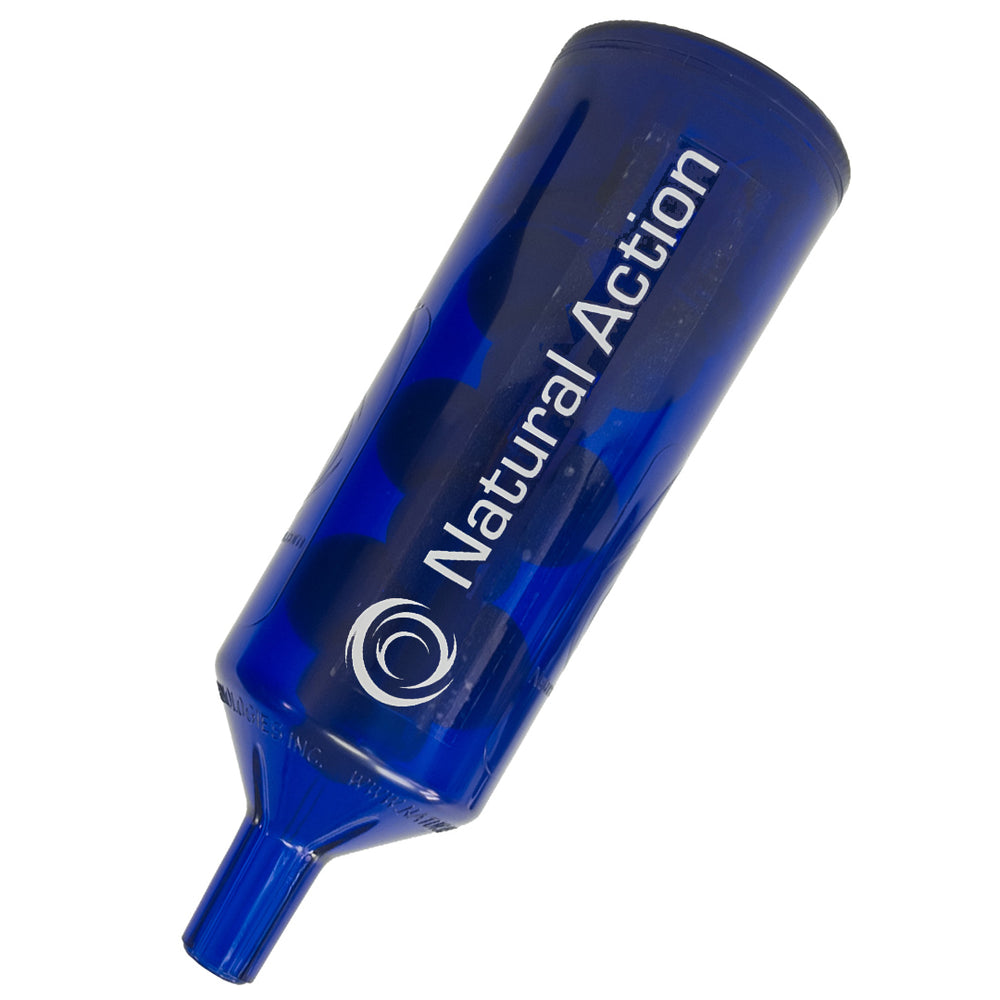
Natural Action offers whole-home systems that pair advanced filtration media with our revitalization chambers. These filters address a wide band of particulate sizes, chemical residues, and problem contaminants. While no system can claim to remove every novel particle, reducing the overall load is the most effective first step.
If graphene oxide, industrial nanomaterials, or chemically reactive particles are present in water, lowering that burden supports your body’s ability to maintain balance and reduces inflammatory load.
2. Restore Structure and Coherence Through Flow Form Technology
After filtration, Natural Action takes water through a very different step. Our flow form chambers move water through a series of geometric forms that create vortexing, implosion physics, and hydrogen-bond reorganization.
This is where the revitalization process happens.
Structured, coherent water interacts with the body more efficiently. It supports better hydration, smoother absorption, and improved cellular resonance. When water is coherent, the body doesn’t have to work as hard to use it.
Even if your water contains trace contaminants, structured water supports healthier biological function.
Which Natural Action System Offers the Best Protection?
Depending on your home, you have options:
Whole Home Systems
This is the most complete solution for families who want cleaner, revitalized water at every tap. It addresses the broadest range of contaminants and ensures the structure of your water is restored before it reaches your body or your appliances.
Under Sink and Shower Revitalizer Units
Perfect for renters or homeowners who want a plug-and-play option at specific points of use like the kitchen sink or shower. These devices transform the water you use most often without plumbing changes.
Portable Revitalizers
Useful for travel, office use, or anyone who wants to structure water away from home.
Every device is made in America, carries a 10-year warranty, includes a 90-day risk-free trial, and is built by a small business committed to long-term water health.
Why Structured Water Is the Next Step in Protecting Your Health
Filtration is essential, but filtration alone doesn’t restore the natural physics of water.
Natural Action combines both approaches.
Lower contaminant load plus coherent structure equals healthier hydration. This is the safest, most practical daily solution for emerging contaminants like graphene oxide.
We live in a world where new chemicals and engineered materials are introduced every year. Water quality will never go backward. But your home can be ahead of the curve.
Natural Action gives you control over your water and the peace of mind that comes with it.

Graphene Oxide in Water: What the Science Shows and How to Protect Your Home
You may also like
View all


